This guide explains how to move through the district, what charges are commonly used, and how to book (or not book) without awkward moments.
You’ll also get published price examples, hours, and simple Japanese phrases you can actually use.
In Tokyo, bars are often treated as “micro-spaces” with their own rules: lighting, seating, and the relationship between guest and staff are part of the experience.
In ginza bars tokyo, this is especially visible. Many venues are compact—counter-first, with a quiet soundtrack—so the room feels like a crafted stage rather than a loud party.
You’ll notice a modern spatial pattern: buildings with many small floors, a discreet entrance at street level, and a short “transition” from bright shopping streets to a calm interior.
The service itself is structured: greeting, seating, brief preference-check, then a steady rhythm of drinks and small talk (or silence) depending on the venue.
Even when the menu is simple, the “how” matters—glassware, ice, pour style, and timing.
Ginza’s nightlife also connects directly to the daytime city: department stores, galleries, luxury boutiques, and office towers create a crowd that peaks early evening and then filters into hidden bars.
If you want a district-level overview and official-area context, start with the Ginza district’s official portal:
GINZA OFFICIAL (Japanese).
1. Where do ginza bars tokyo fit in Tokyo nightlife?
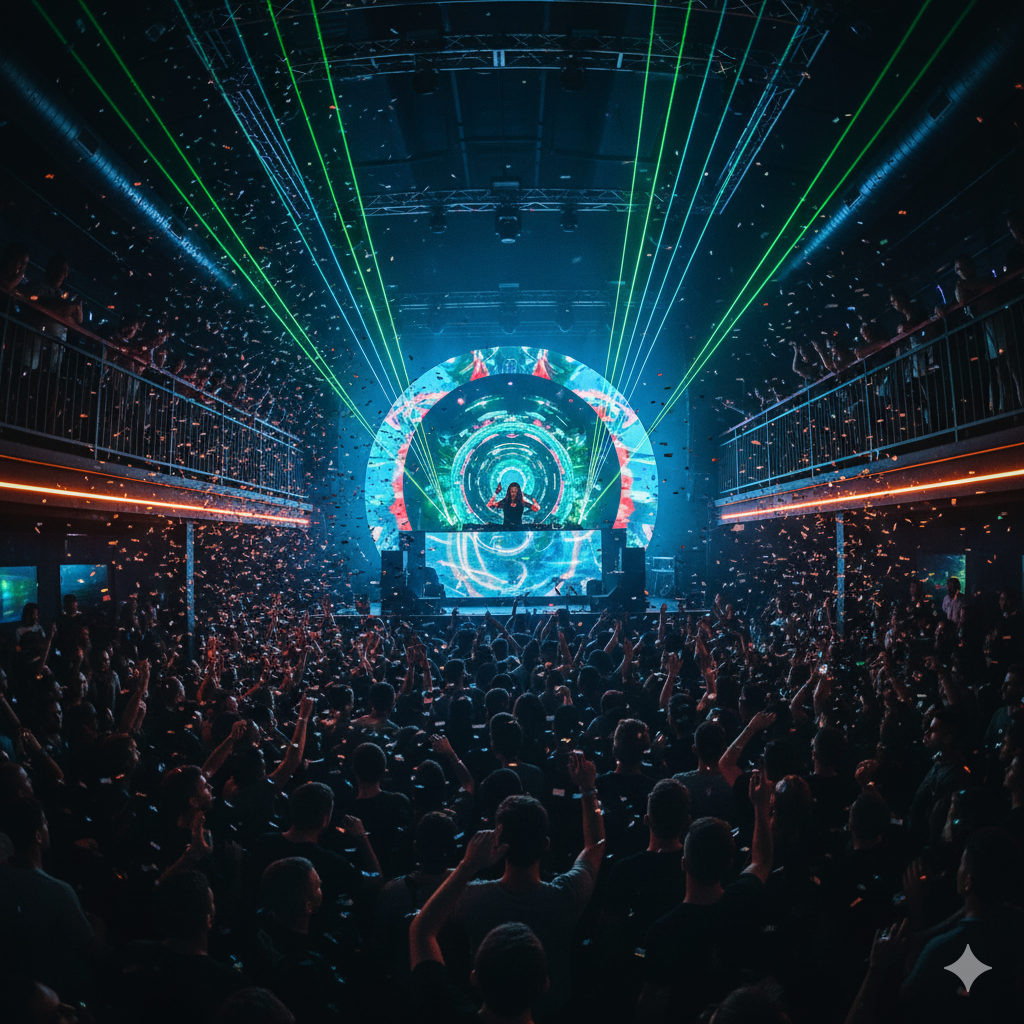
1-1. What makes Ginza feel different?
Ginza is famous for being walkable and dense, but the nightlife is not always obvious from the street.
Many venues are upstairs, behind simple signs, with a door that acts like a “volume switch”: the city noise stays outside.
That is why Ginza can feel formal even when the staff are friendly—sound and seating are controlled so guests can focus on the drink and the conversation.
The district itself publishes official articles that explain local customs like “charge” (a seat fee added to your bill at some bars).
If you want an official explanation of this custom in plain terms (and why it exists), see:
Ginza recommended bars article (Japanese).
1-2. How a Ginza bar is laid out
Classic Ginza “authentic bars” are often counter-led: a small number of seats, a bartender who controls the pace, and a menu that may be minimal because the service is customized.
The counter is not just furniture—it is a boundary that organizes the social flow: greeting, short preference check, then a drink that matches your mood.
In contrast, hotel bars and rooftop bars often have more space and a broader audience (couples, small groups, business travelers).
They can be easier for first-time visitors because booking systems are clearer and staff may be used to international guests.
1-3. A simple first-night plan
If you are new to Ginza, a low-stress approach is:
- Start at a hotel bar early evening (easier entry, published menus).
- Move to one classic cocktail counter for a “bartender’s choice” drink.
- End at a music-forward bar if you want late hours without a club atmosphere.
2. How do you reach the best Ginza bar streets?
2-1. Stations and exits that matter
Ginza’s core is served by multiple Tokyo Metro lines.
The official station yard map is a good reference when you want to match exits to destinations:
Tokyo Metro Ginza Station yard map (Japanese).
For bar hopping, it helps to pick a landmark and work outward.
A very practical landmark is GINZA SIX, because its official access page lists clear walk times from multiple stations:
GINZA SIX access (Japanese).
2-2. Micro-areas: 1-chome to 8-chome
Ginza is numbered by “chome” (blocks). For nightlife planning, think in three practical zones:
- 1–4 chome: closer to Ginza-itchome and the “shopping core.” Good for early evening, calm cocktail counters.
- 5–6 chome: dense mid-zone, easy to connect to hotels and major landmarks.
- 7–8 chome (Shimbashi side): more late-night options and “after-work” energy.
2-3. Late-night navigation tips (without stress)
Ginza buildings can look similar at night, and many bars are on upper floors.
The easiest way to stay relaxed is to keep one “anchor” (hotel, landmark, or station exit) and choose venues within a short walk.
If you are going late, consider a venue that publishes clear hours (example below).
Table 2: Access & Hours
| Station / Place | Walk Time | Hours | Area (JP Link) |
|---|---|---|---|
| GINZA SIX (landmark for meeting) | From Ginza Sta. Exit A3: 2 min From Higashi-ginza Sta. Exit A1: 3 min From Yurakucho Sta.: 5 min From Shimbashi Sta.: 7 min |
Use as a navigation anchor (check venue hours separately) | Official website (Japanese) |
| GINZA MUSIC BAR (7-chome) | From Shimbashi: 4 min From Ginza: 6 min |
Mon–Sat: 7PM–4AM Sun: 6PM–4AM |
Official website (Japanese) |
| BAR HIGH FIVE (Ginza) | — | Mon–Sat: 17:00–23:30 Last entry: 22:30 Closed: Sun & national holidays |
Official website (Japanese/English) |
| WISKY DINING 縁 (7-chome) | From Ginza: 5 min From Shimbashi: 7 min |
15:00–23:30 (L.O. 22:30) Closed: Sunday (and irregular for Sat/holidays) |
Official website (Japanese) |
| The Roof (Tokyo EDITION Ginza) | — | Daily: 17:00–23:00 | Official website (Japanese) |
Notes: Walk times are listed on each venue/landmark’s official page. Hours can change seasonally or for private events, so use the linked official pages as the source of truth.
3. What should you budget for drinks, time, and entry?
3-1. Cover charge, service charge, and tax
Ginza is one of the easiest places to encounter “charge” (a seat fee), especially at traditional bars.
The Ginza district’s official editorial explains that some venues add a table/cover charge and that it can range from free to around ¥1,000+ at higher-end bars (and sometimes a separate music charge where live performance exists).
See the official explanation here:
Charge system overview (Japanese).
Hotel bars may add a service charge.
For example, one Ginza hotel bar menu states that listed prices include consumption tax and are subject to a 15% service charge:
NAMIKI667 beverage menu (PDF, Japanese/English).
3-2. Published price examples you can rely on
Because many small bars do not publish full menus, it helps to anchor your expectations with venues that do publish pricing.
Below are examples pulled from official pages and menus.
Table 1: Venue Types & Base Fees
| Venue Type | Typical Fee | Session Time | Area (JP Link) |
|---|---|---|---|
| Classic Ginza cocktail bar (STAR BAR) | Cover charge: ¥1,100 per person | Walk-in basis (no published time limit) | Official website (Japanese) |
| Hotel bar & lounge (NAMIKI667) | Beer example: ¥1,100 Happy hour specials: ¥600–¥700 Service charge: 15% |
No published time limit on menu (busy times may differ) | Official menu (Japanese) Happy hour menu (Japanese) |
| Rooftop hotel bar (The Roof, Tokyo EDITION Ginza) | Seat-only: 15% service included (tax/service included wording) Free-flow plan example: ¥10,000 (tax/service incl.) Champagne free-flow: ¥15,000 (tax/service incl.) |
Seats: 120 min limit (seat-only reservation) | Official reservation (Japanese) |
| Set-plan whisky dining bar (WISKY DINING 縁) | Bar time example: Men ¥6,600 / Women ¥5,500 | Bar time: 120 min (published on system page) | Official website (Japanese) |
Notes: The table shows published examples, not an average of the entire district. Ginza varies widely by venue style and location, so treat these as “known reference points.”
3-3. Eligibility and what to bring
For drinking in Japan, plan to be 20+ and carry a photo ID (passport works well for visitors).
Many Ginza venues are calm and small, so groups of 2–4 are the easiest fit; if you are 5+, hotel bars with reservation systems are usually smoother.
4. Which venue types match your mood in Ginza?
4-1. Classic cocktail counters
The archetypal Ginza experience is a compact counter bar where the bartender’s technique is the main attraction:
precise stirring, careful dilution, and ice that is part of the flavor design.
STAR BAR’s official profile frames itself as a traditional “Ginza style” bar and states a clear cover charge of ¥1,100 per person:
STAR BAR official (Japanese).
For first-timers, these counters are easiest when you order one classic drink first (e.g., a Martini, Gimlet, or Highball),
then ask for “something like this but lighter / stronger / more citrus.”
4-2. Hotel bars and rooftops
Hotel bars are “translation-friendly”: menus, hours, and service policies are usually published, and staff are used to visitors.
For example, NAMIKI667 publishes detailed beverage pricing and notes a 15% service charge:
NAMIKI667 beverage menu (PDF).
Rooftops add a seasonal layer.
The Roof at Tokyo EDITION Ginza publishes daily hours (17:00–23:00) and notes it can be weather/season-dependent:
The Roof official page (Japanese).
4-3. Music-forward bars and whisky dining
A music bar is a different kind of “institutional calm”: the room is organized around listening.
GINZA MUSIC BAR’s official page describes a lineup of over 3,000 analog records and emphasizes a curated sound environment:
GINZA MUSIC BAR official (Japanese).
Whisky dining bars add structure through set plans and time blocks.
WISKY DINING 縁 publishes time-based systems such as 90 min and 120 min plans with clearly listed prices:
WISKY DINING 縁 system (Japanese).
5. How do reservations, etiquette, and Japanese phrases work?
5-1. Reservation patterns (walk-in vs online)
Ginza is not “reservation-only,” but it is “policy-specific.”
Some famous cocktail bars explicitly do not accept reservations.
BAR HIGH FIVE’s official notice says it decided to take no reservations (and only answers seat-availability calls right before you arrive):
BAR HIGH FIVE official (Japanese/English).
By contrast, hotel rooftops often run on reservation platforms and publish time limits.
The Roof (Tokyo EDITION Ginza) states a seat use limit of 120 min for seat-only reservations and also lists contact details for same-day inquiries:
The Roof reservation page (Japanese).
Some venues also warn about third-party reservation services.
GINZA MUSIC BAR’s official site states it does not accept reservations from “Auto Reserve”:
GINZA MUSIC BAR official (Japanese).
5-2. Etiquette that keeps the room calm
Ginza etiquette is less about “rules” and more about preserving the shared mood of the room.
Practical examples come directly from official house statements:
STAR BAR publishes a cover charge and frames itself as a traditional Ginza bar:
STAR BAR official (Japanese).
In ultra-compact bars, it is normal to keep your voice moderate, avoid blocking the counter workspace, and order at a pace that matches the room.
If you are taking photos, do it discreetly and avoid capturing other guests—some venues explicitly remind guests about privacy on their reservation pages:
The Roof reservation notes (Japanese).
5-3. Useful Japanese phrases (copy/paste)
These short phrases work well in cocktail bars, hotel bars, and music bars:
- Sumimasen. (すみません) — “Excuse me.”
- Osusume wa arimasu ka? (おすすめはありますか) — “Do you have a recommendation?”
- Sabisu-ryo wa arimasu ka? (サービス料はありますか) — “Is there a service charge?”
- Kabā chāji wa ikura desu ka? (カバーチャージはいくらですか) — “How much is the cover charge?”
- Kono aji de, sukoshi karuku / tsuyoku dekimasu ka? (この味で、少し軽く/強くできますか) — “Can you make this a bit lighter/stronger?”
- Arigatō gozaimasu. (ありがとうございます) — “Thank you.”
Table 3: Reservation & Eligibility
| Method | Lead Time | Eligibility | Official (JP Link) |
|---|---|---|---|
| Walk-in (cover charge published) | Same-day | Adults 20+ (bring photo ID) | Official website (Japanese) |
| No reservations; call before arriving for seat availability | Call right before you arrive | Adults 20+ (bring photo ID) | Official website (Japanese/English) |
| Online booking (TableCheck) + phone for same-day | Online in advance; same-day by phone | Seats may be limited; late arrival note: 20 min (published) | Official reservation (Japanese) |
| Online booking (TableCheck); busy times may limit stay | Book online; groups 5+ often by phone (published) | Busy-time limit may be 2 hours (published note) | Official reservation (Japanese) |
| Phone reservation / inquiry | Reserve in advance for set plans | Time blocks: 90–120 min systems (published) | Official website (Japanese) |
| Official-only reservation channels (no third-party “Auto Reserve”) | Use official site/contacts | Late hours option: up to 4AM (published schedule) | Official website (Japanese) |
Notes: “Eligibility” reflects standard Japan practice for alcohol. Venue-specific house rules (dress code, photography, seat limits) are listed on each official page.
6. Summary and Next Steps
Ginza can feel intimidating because it’s not a “big sign, big room” nightlife district. The real experience is hidden in small spaces—cocktail bars, hotel bars, whisky bars, and music rooms—where the pace is slow and the rules are subtle. That’s exactly why visitors sometimes struggle: you don’t want to walk into the wrong vibe, miss a time limit, or waste your night searching building by building. The simplest way to enjoy ginza bars tokyo is to plan like a local: pick a clear starting point, choose one or two proven venues, and keep your movement short and calm. Use official pages to anchor your expectations, especially for cover charge, service charge, and reservation policy. Then you can focus on what Ginza actually offers: craft cocktails made with quiet confidence, hotel lounges with published menus, and late-night listening bars where music is treated as part of the architecture.
SoapEmpire helps you do this without stress. Even if you’re not sure which cocktail counter fits your style, or you want a smooth reservation at a rooftop or hotel bar, we organize the details in plain English: the right venue type, the likely budget range, the access plan, and the booking steps. We also handle the practical friction points—time slots, party size, and “official-only” reservation channels—so you don’t lose your evening to trial and error. If you want a predictable, visitor-friendly route, we can suggest a structure like “hotel bar first → classic counter second → music bar last,” and adjust it for your schedule, your preferred atmosphere, and your comfort with bar etiquette.
What makes SoapEmpire different is speed and clarity. We cover major cities nationwide and offer English-friendly guidance designed for travelers and international residents. Most importantly, we provide 24-hour booking support for only $10, so you can plan late, change plans quickly, and still secure a good seat. Whether you’re aiming for refined cocktail bars, relaxed hotel bars, or themed whisky bars, our goal is the same: give you a Ginza night that feels intentional, not improvised.
For reservations or inquiries, please contact us via the inquiry form.
6-1. One-page checklist
- Choose a base landmark (e.g., GINZA SIX) and keep venues within short walks.
- Decide your style: cocktail counter / hotel bar / whisky dining / music bar.
- Confirm published rules: cover charge, service charge, hours, time limits.
- Bring photo ID and plan for 20+.
- Use simple phrases: “cover charge?” “service charge?” “recommendation?”
6-2. Sample bar crawl routes
Here are three “Ginza-style” routes (short, calm, and practical):
- Clarity-first route: NAMIKI667 (published menu) → The Roof (booked time slot) → finish anywhere near your station.
- Craft-first route: STAR BAR (classic counter) → another small cocktail counter nearby → late finish at GINZA MUSIC BAR if you want hours up to 4AM.
- Group-friendly route: set-plan whisky dining (time block) → hotel bar lounge → optional music bar for late night.
Related SoapEmpire reads (internal)
- Tokyo nightlife area basics (district overview)
- How to book nightlife venues smoothly
- Osaka nightlife guide for comparison
SoapEmpire official site: https://soapempire.com/
Contact: https://soapempire.com/contact/
6-3. FAQ
Q1. How much is the cover charge in Ginza?
Some Ginza bars add a cover/table charge. The Ginza district’s official editorial describes it as ranging from no charge to around ¥1,000+ at higher-end venues, and it can vary by bar.
Q2. Do I need reservations for Ginza bars?
It depends on the venue. Some famous cocktail bars are walk-in and may not accept reservations, while many hotel bars and rooftops use online booking platforms and publish time limits.
Q3. What time do Ginza bars close?
Hours vary widely. Some cocktail bars close around late evening (for example, one well-known bar publishes 17:00–23:30), while music bars can run much later (one publishes up to 4AM).
Q4. Is English support common in Ginza bars?
Hotel bars and reservation-platform venues are often easier for English speakers because policies and menus are published. Small cocktail counters may be quiet and minimal, so simple phrases and clear preferences help a lot.
If you’re interested in visiting any of these places, SoapEmpire offers a 24-hour booking support service for only $10.
Just send the store name, preferred time, and your name (nickname is fine) to:
artistatakuma@icloud.com.
We’ll take care of your reservation quickly and smoothly.