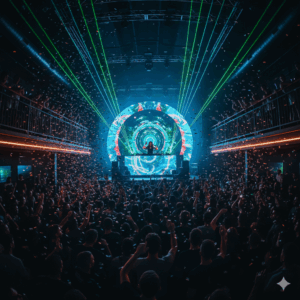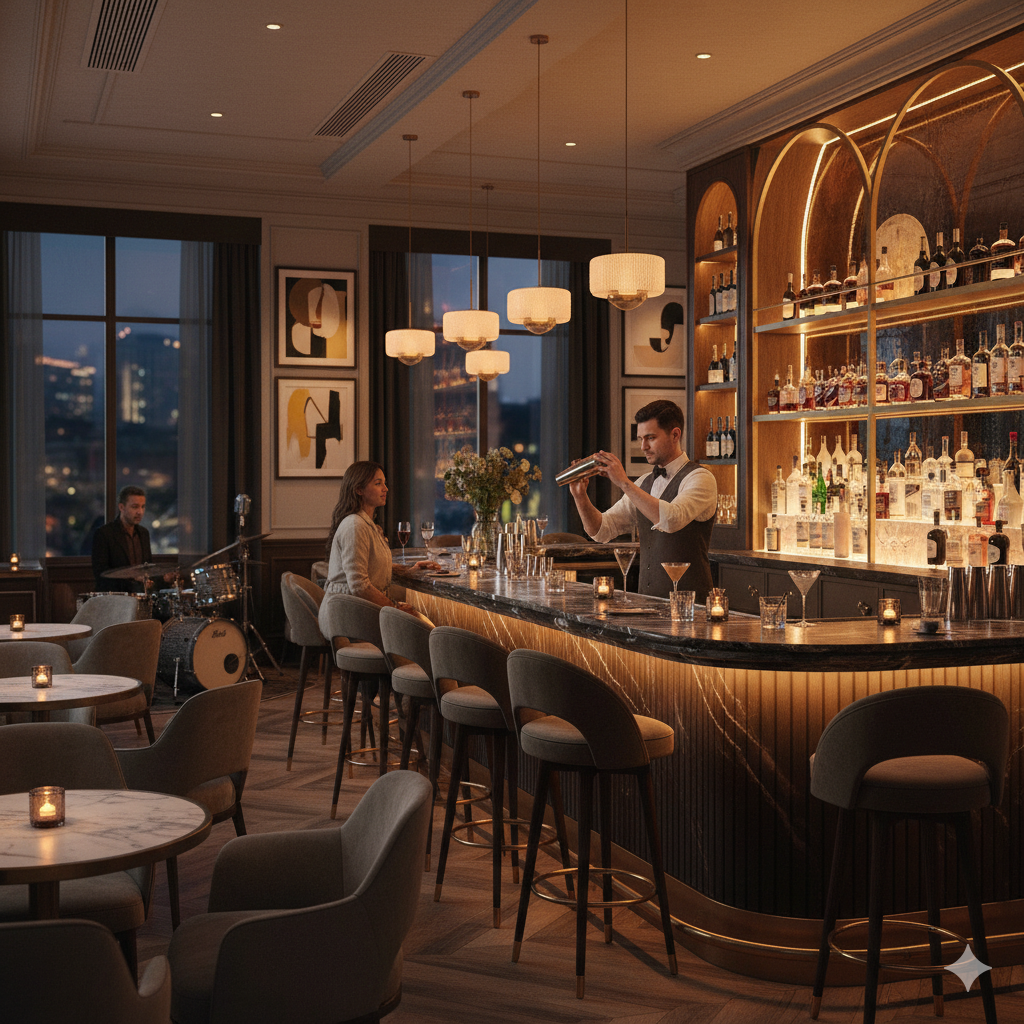
You’ll also get quick Japanese phrases and a step-by-step plan for a smooth first visit.
Shinjuku Ni-chome is a compact nightlife district where many LGBTQ+ venues fit into small buildings with narrow staircases, basement floors, and simple door signs. The “layout” matters: you often enter, pay a cover charge or first-drink set, and then choose your place—counter seat, small table, or standing space—based on how social (or quiet) you want the night to be.
In a typical gay bar setting, the service is straightforward: drinks, conversation, music, and sometimes karaoke or DJ events. Instead of “big club anonymity,” Ni-chome often feels like a chain of micro-communities—each venue has its own rules, vibe, and regulars, and the staff help newcomers understand the flow without making it a big deal.
From an urban-culture point of view, Ni-chome is an example of “institutionalized friendliness”: the district normalizes quick introductions (“Where are you from?”), short rituals (a toast, a first-drink system), and shared norms (don’t photograph people, respect boundaries). Some venues describe Ni-chome’s growth as tied to Shinjuku’s long-standing open atmosphere and the way small independent shops helped communities form over time.
See one venue’s historical note here: Official background (Japanese).
1. What is gay bar Tokyo Shinjuku and why Ni-chome?
1-1. Why Ni-chome became a nightlife “cluster”
Ni-chome works because it is dense and walkable: many venues share the same small streets, and people move between them based on mood. One local venue explains Ni-chome’s growth as connected to Shinjuku’s postwar “open” character and the long life of small independently run shops—conditions that supported community spaces over time:
Official background (Japanese).
1-2. The “micro-venue” logic: why bars feel different here
Many venues are intentionally small. That size changes the social rules: staff and customers notice newcomers quickly, and a simple “one drink and a hello” can turn into a friendly conversation. Popular standing-style spots often describe themselves as open to different nationalities, genders, and sexualities, creating a low-pressure entry point:
Official website (Japanese).
1-3. A respectful, practical definition of “gay bar” in Shinjuku
In Ni-chome, “gay bar” can mean several things: a men-focused bar, a mix bar welcoming many identities, a DJ bar, or a club night with performances. Some club operators label themselves directly as a gay club & DJ bar (with separate spaces like a main club and an annex bar), which helps visitors understand what to expect before arriving:
Official website (Japanese).
2. How do you reach the top Ni-chome areas and stations?
2-1. The two “gateway stations” you’ll actually use
Most Ni-chome venue guides reference Shinjuku-sanchome station exits and walk times, while also giving a JR Shinjuku alternative. For example, one major club venue lists
3 minutes from Shinjuku-3chome Station C8 and 15 minutes from JR Shinjuku East Exit:
Official access (Japanese).
If you want a station map and exit directory from the operator itself, use Tokyo Metro’s station page:
Official station info (Japanese).
2-2. How to navigate the “vertical city” buildings
Ni-chome venues often sit on different floors. It is normal to enter a narrow building, follow a sign to B1/2F/4F, and find a single door. That “vertical stacking” is part of the district’s charm—each door is a different social world. A DJ bar example clearly states its basement location and a short walk from C5 exit:
Official website (Japanese).
2-3. A practical route plan for first-timers
If you feel unsure, start with an “easy entry” place that is clearly described online, then move deeper into the small streets once you feel comfortable. For example, one famous standing-style spot states it is
3 minutes from Shinjuku-sanchome C8 and 10 minutes from JR Shinjuku East Exit:
Official website (Japanese).
Table 2: Access & Hours
| Station | Walk Time | Hours | Area (JP Link) |
|---|---|---|---|
| Shinjuku-sanchome (C8) / JR Shinjuku East | 3 min (C8) / 10 min (JR East) | Mon–Thu 18:00–2:00; Fri/Sat/Before holidays 18:00–5:00; Sun/Holidays 18:00–24:00 | Official website (Japanese) |
| Shinjuku-3chome (C8) / JR Shinjuku East | 3 min (C8) / 15 min (JR East) | Event-based; example 19:00–23:00 on a listed night | Official access (Japanese) |
| Shinjuku-3chome (C5) | 1 min (C5) / 10 min (JR East) | Regular operation days are stated on the venue page (check latest) | Official website (Japanese) |
| Shinjuku-gyoemmae / Shinjuku-3chome (C5/C8) / JR Shinjuku South | 3 min (Shinjuku-gyoemmae) / 2 min (C5/C8) / 10 min (JR South) | Mon–Sat 21:00–5:00; Sun 17:00–4:00 | Official access (Japanese) |
Times and day patterns can change for holidays or special events. Always confirm on the venue’s official page before you go.
3. What should you budget for prices, cover charges, and entry rules?
3-1. Common payment patterns you’ll see
The most common systems are:
(1) “No table charge, pay per drink,”
(2) “Cover/shot charge includes one drink,”
(3) “Event door fee includes one drink,” and
(4) “Timed all-you-can-drink.”
A well-known standing-style bar explicitly states “No Table Charge,” meaning the base fee is ¥0 before you start buying drinks:
Official website (Japanese).
3-2. Examples of real prices from official pages
If you want concrete numbers, use official “menu/system” pages. For instance:
a mix bar lists an all-you-can-drink plan of 60 minutes for ¥3,000:
Official system (Japanese).
A club event listing shows a door price of ¥2,500 including 1 drink on a specific night:
Official event page (Japanese).
Smaller counter-style bars may show a “shot charge with 1 drink” on their menu. One street-level bar lists a shot charge of ¥2,200 with 1 drink included (for both “LGBT” and “straight” customers on that menu):
Official menu (Japanese).
Notice: Prices and door rules can differ by night (DJ nights vs. quiet nights). If you want to avoid surprises, pick 1–2 venues with clearly posted systems on their official pages.
3-3. Entry rules and eligibility (simple, non-judgmental)
Ni-chome includes men-focused bars, women-centered bars, and mix bars welcoming many identities. Some places explicitly say they welcome beginners and women as well:
Official access (Japanese).
Also, remember Japan’s legal drinking age is 20 (editor’s note).
Table 1: Venue Types & Base Fees
| Venue Type | Typical Fee | Session Time | Area (JP Link) |
|---|---|---|---|
| Standing-style bar (easy first stop) | Base fee “No table charge”: ¥0 | No fixed time; pay per drink | Official website (Japanese) |
| Counter bar (street-level, beginner-friendly) | Shot charge w/ 1 drink: ¥2,200 | Per entry; then per drink | Official website (Japanese) |
| Mix bar (karaoke + social, flexible) | All-you-can-drink plan: 60 min / ¥3,000 | Timed plan; extend as needed | Official website (Japanese) |
| Club event night (DJ + performances) | Door example: ¥2,500 / 1D included | Event hours vary (e.g., 19:00–23:00) | Official website (Japanese) |
These examples come from official pages and show how different the “base fee” can be. Your night’s total is usually the base fee + number of drinks (or a timed plan).
4. Which venue types and experiences fit your night?
4-1. Standing bars: fast entry, easy exits
Standing-style venues reduce pressure: you can stay for one drink, look around, and leave without it feeling abrupt. AiiRO describes itself as a standing-style gay bar that aims to “melt away boundaries” and also shows a clear “No table charge” policy:
Official website (Japanese).
4-2. DJ bars and clubs: music-first nights
If you want a music-focused night, Ni-chome has dedicated gay club and DJ bar spaces. ARTY FARTY & THE ANNEX publicly list business hours by day (useful for planning) and provide clear addresses for both locations:
Official business hours (Japanese).
For larger club events with posted door fees and schedules, a well-known venue publishes detailed event pages (open time, fee, and entry category such as “MIX”):
Official website (Japanese).
4-3. Mix bars: flexible social spaces (and karaoke)
Mix bars can be a good “middle ground” between quiet talk and full club energy. Some mix bars post access details for multiple stations and list all-you-can-drink plans that help you control your budget:
Official access (Japanese).
Tip: If you want the most “Tokyo Ni-chome” feeling in one night, do a simple sequence:
(1) standing bar for a quick warm-up,
(2) counter/mix bar for conversation,
(3) DJ bar/club for late-night energy.
5. How do reservations, etiquette, and useful phrases work?
5-1. Reservation options you can verify on official pages
Some small bars use a dedicated reservation link. For example, Bar Private links to its reservation page directly from its official site:
Official access (Japanese).
Other venues encourage phone booking; VOX displays a phone number prominently and also shows a “phone reservation” banner on its official page:
Official website (Japanese).
5-2. Etiquette that makes your night smoother
Think of Ni-chome etiquette as “protecting the shared space.” Keep conversations friendly, ask before joining a group, and avoid filming or photographing other guests. If you’re unsure about the system, ask staff early (before ordering multiple drinks). Many venues post clear pricing or event rules; using official pages is the easiest way to avoid misunderstandings, like posted door fees and entry categories:
Official event page (Japanese).
5-3. Useful Japanese phrases (simple and polite)
Here are practical phrases you can use without sounding stiff:
- Hajimete desu. (It’s my first time here.)
- Hitotsu onegaishimasu. (One, please.)
- Osusume wa nan desu ka? (What do you recommend?)
- Kore wa ikura desu ka? (How much is this?)
- Shashin wa daijoubu desu ka? (Is a photo okay?) — only ask if it’s clearly appropriate.
- Arigatou gozaimasu. (Thank you.)
Table 3: Reservation & Eligibility
| Method | Lead Time | Eligibility | Official (JP Link) |
|---|---|---|---|
| Walk-in (standing bar) | Same day | Venue states an open, boundary-free concept (including all gender) | Official website (Japanese) |
| Online reservation link (when available) | 1–3 days recommended (editor’s note) | Venue states beginners and women are welcome | Official website (Japanese) |
| Phone reservation / contact | Same day possible | Check venue page for operating days and event-only nights | Official website (Japanese) |
| Event page confirmation (club nights) | Before you go | Entry category and fees are listed per event | Official website (Japanese) |
Lead times depend on crowd levels, weekends, and event calendars. When in doubt, follow the venue’s official guidance.
6. Summary and Next Steps
6-1. A simple first-night plan (low stress)
Step 1: Start near Shinjuku-sanchome exits (C5/C8 appear often on official venue guides).
Step 2: Choose a venue with a clear system posted online (for example “No table charge” or an all-you-can-drink plan).
Step 3: If you enjoy the vibe, stay; if not, move on. Ni-chome is built for short hops.
6-2. When to visit (events and seasons)
Pride month in June can bring extra energy to LGBTQ+ spaces in Tokyo. Tokyo Pride’s official announcement states that “Tokyo Pride 2026” aligns with Pride Month, with a festival planned on June 6–7, 2026 and a parade on June 7, 2026 (planned):
Official news (Japanese).
6-3. Related SoapEmpire reads (internal links)
Visiting Shinjuku Ni-chome can feel exciting and confusing at the same time—especially if you’re new to LGBTQ+ nightlife in Japan, you don’t read Japanese well, or you’re unsure how each door works. The biggest pain points are usually simple: finding the right street (and the right floor), choosing a venue type that matches your comfort level, and understanding the payment system without awkward moments. That’s exactly where SoapEmpire can help.
SoapEmpire is a Japan-based nightlife portal that turns “too many options” into a clear plan. If your goal is gay bar Tokyo Shinjuku with less trial-and-error, we organize Shinjuku Ni-chome choices by the experience you want—LGBTQ+ bars that are easy for first-timers, mix bar options if you want a broader crowd, and English-friendly spots when communication matters. We also help you compare practical details like access from Shinjuku-sanchome exits, typical cover charge styles (no cover vs. first drink vs. timed plans), and whether a venue is better for quiet conversation or drag & DJ nights.
What makes SoapEmpire different is the way we focus on smooth logistics, not hype. We know that many Ni-chome venues are small, and “just showing up” can be fine—but it can also mean waiting, confusion about systems, or not getting the vibe you hoped for. Our approach is to reduce uncertainty: confirm the venue’s current style, pick the right entry time, and give you a simple route that fits your pace. Even if you only want one relaxed bar, we can help you choose the best match and avoid wasting your night on places that don’t fit.
SoapEmpire also offers a practical advantage for travelers and residents alike: clear booking support when you want it. That includes planning for groups, coordinating arrival times, and making sure your request is communicated politely in Japanese. If you want to explore Shinjuku Ni-chome with confidence—whether you’re after LGBTQ+ bars, a mix bar karaoke night, or an English-friendly start—SoapEmpire is built to guide you through the details so you can focus on enjoying Tokyo.
Learn more at SoapEmpire (official site).
For reservations or inquiries, please contact us via the inquiry form.
If you’re interested in visiting any of these places, SoapEmpire offers a 24-hour booking support service for only $10.
Just send the store name, preferred time, and your name (nickname is fine) to:
artistatakuma@icloud.com.
We’ll take care of your reservation quickly and smoothly.
FAQ
Q1. How much does a night in Shinjuku Ni-chome usually cost?
Many places are pay-per-drink with a cover charge or a first-drink system. For example, some venues clearly list prices like a 60-minute all-you-can-drink plan at ¥3,000, or a door fee around ¥2,500 with one drink included for certain club events. Your total depends on how many venues you visit and how long you stay.
Q2. Do I need a reservation for gay bars in Shinjuku?
Most small bars are walk-in, but reservations can help for groups, special events, or when you want a guaranteed seat. Some bars provide an online reservation link, while others encourage phone booking.
Q3. Is Ni-chome English-friendly?
Many popular spots are used to international visitors, and some venues explicitly mention English support or an open, all-gender atmosphere. Still, learning a few short Japanese phrases helps you feel more comfortable and polite.
Q4. What is the best time to go to Ni-chome?
A common approach is to start earlier at a standing bar or mix bar, then move to a club later for DJ nights or performances. Business hours vary by venue and day, so check official pages for the latest schedules.