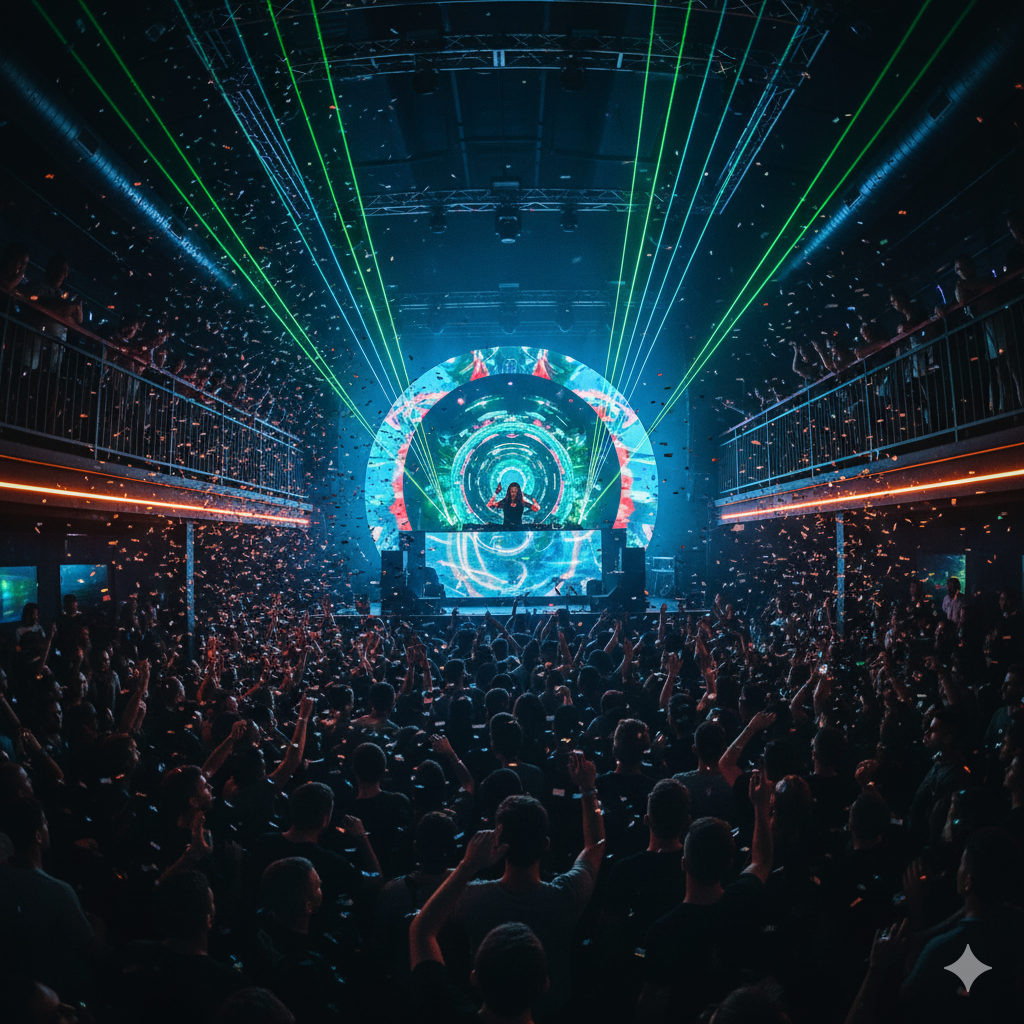
Tokyo’s contemporary club rooms are mostly basement or mid-rise floors with a reception counter near the elevator or stairs, a bag check, and one or two main dance floors with satellite bars. Lighting is LED and laser-heavy, with sound tuned for standing crowds rather than lounge seating. Services are standardized: pay door fee, wristband, bar purchase, and dance. VIP tables sit on mezzanines or back walls. Shibuya clusters independent houses; Shinjuku’s megaclub is inside a new leisure complex. The audience mixes 20s to 40s, locals and visitors, with weeknights for short after-work drops and weekends for late sessions. As part of the urban nightscape, clubs stage ritualized proximity—music as shared time, bar counters as social interfaces, and the dance floor as a semi-anonymous commons.
1. Overview: where should you start in dance clubs in Tokyo?
2. Top Areas & Access: how do you reach them fast?
3. Prices, Time & Eligibility: what does it cost and who can enter?
4. Venue Types & Services: which club fits your style?
5. Reservations, Etiquette & Useful Phrases: how to book and behave?
1. Overview: where should you start in dance clubs in Tokyo?
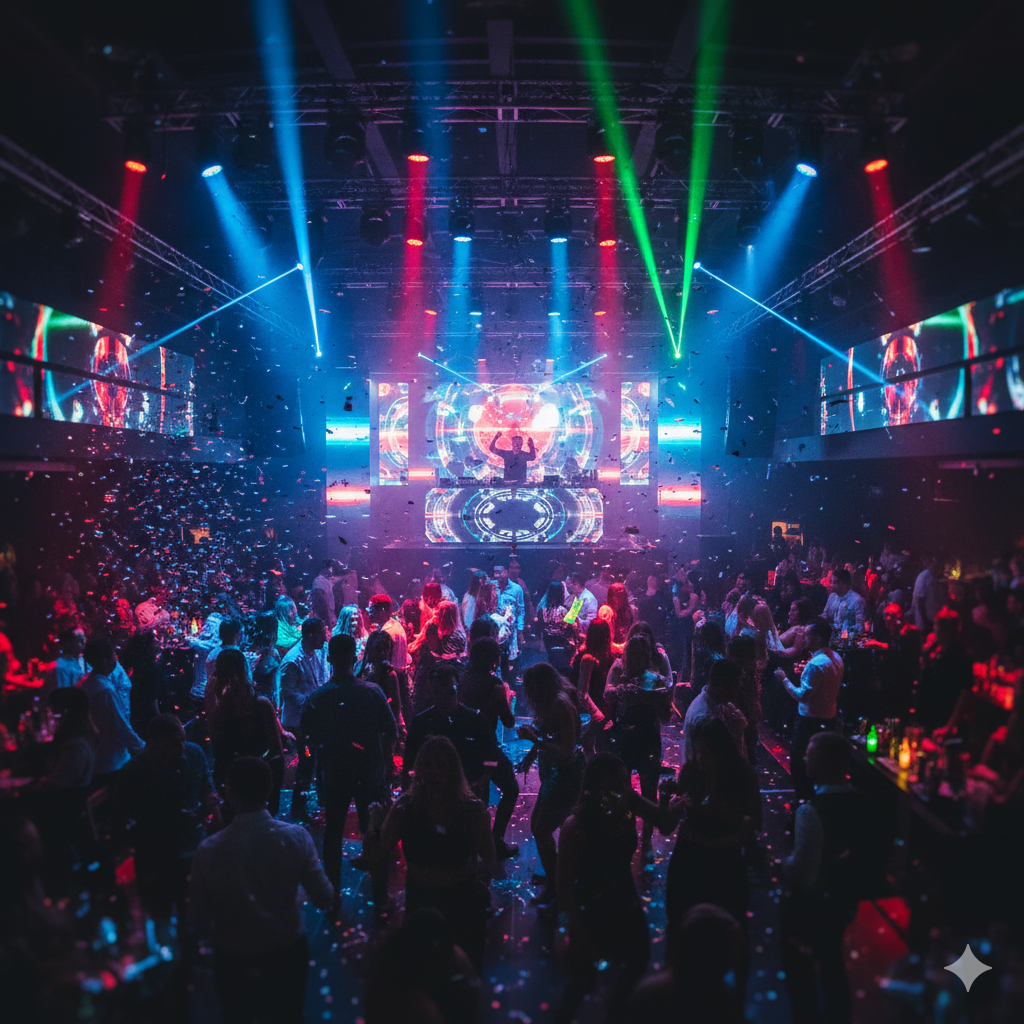
For first-timers, two hubs dominate: Shibuya (indie houses, hip-hop to techno) and Shinjuku (a high-capacity complex). From Narita or Haneda, the fastest convergence is JR lines via Shibuya or Shinjuku stations. Typical doors range around ¥2,000–¥4,000 including a drink. Many clubs publish calendars and advance tickets on their official sites—use these to verify DJs, set times, and age rules.
1-1 Area overview
Shibuya concentrates long-running rooms like WOMB, clubasia, ATOM TOKYO, and hip-hop mainstay HARLEM. Shinjuku’s tower complex hosts ZEROTOKYO, with several floors and genres in one building. Compact alternatives include VENT (Omotesando) and WARP Shinjuku.
1-2 Venue distribution
Shibuya clubs sit within a 5–12 minute walk radius west and south of the station (Dogenzaka/Udagawacho). Shinjuku venues cluster in Kabukicho, 7–12 minutes from Shinjuku Station or 3–5 minutes from Seibu-Shinjuku.
1-3 Typical night flow
Buy an advance ticket (often cheaper) or pay at door → bag check if required → bar purchase → dance floors → late-night food alleys before the first train. Many lineups start 10:00–11:30pm, with peaks past 1:00am. Check each club’s “Schedule” for specifics on the official pages above.
2. Top Areas & Access: how do you reach them fast?
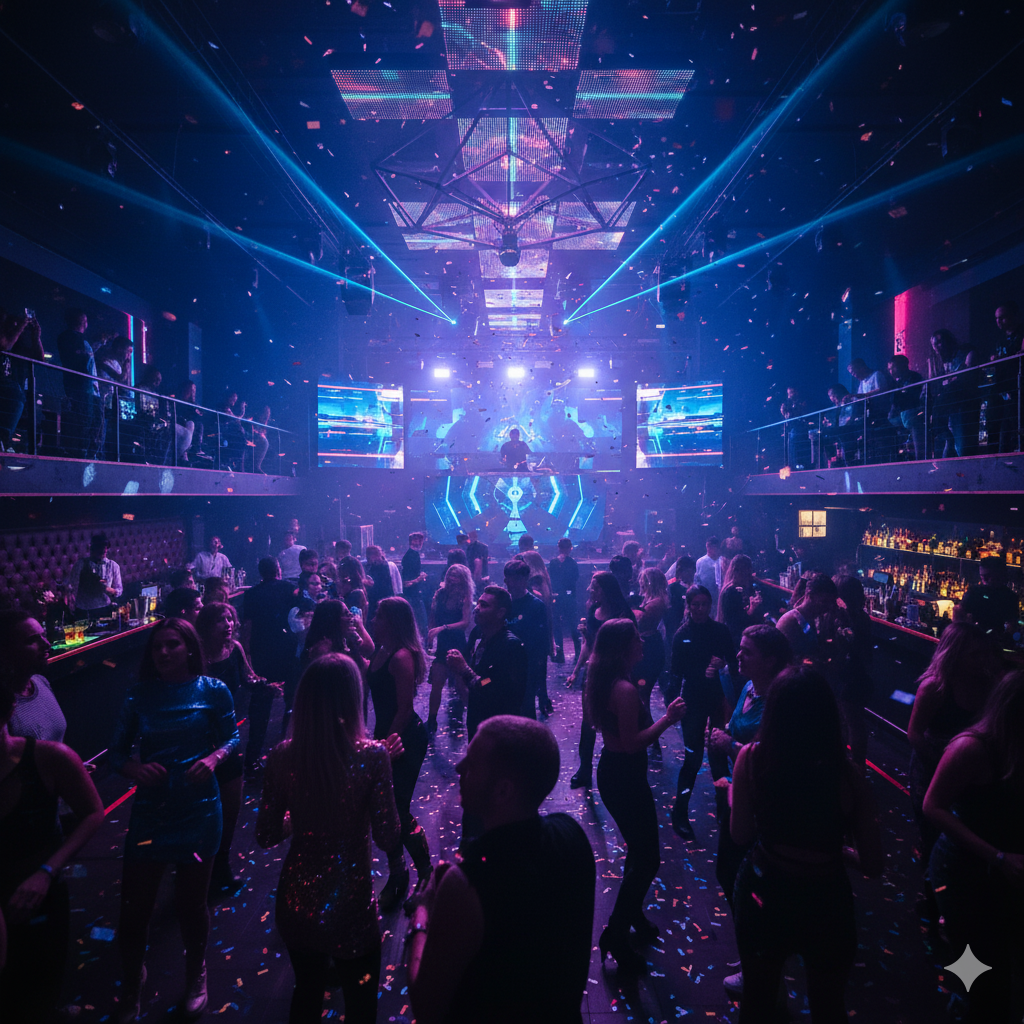
2-1 Shibuya access highlights
Shibuya Station (JR/Yamanote, Ginza, Hanzomon, Fukutoshin lines) is the launch point. WOMB, HARLEM, clubasia, and ATOM TOKYO publish access maps: see WOMB access, HARLEM access, and clubasia access. Expect 8–12 minutes on foot up Dogenzaka/Udagawacho slopes.
2-2 Shinjuku & Kabukicho
ZEROTOKYO sits inside Tokyu Kabukicho Tower, about 10–12 minutes from JR Shinjuku East Exit, or 3–5 minutes from Seibu-Shinjuku. See official directions on ZEROTOKYO access. WARP is also in Kabukicho: WARP access.
2-3 Late-night mobility
Because last trains end around midnight, plan either (1) leave by 23:30, (2) stay until first train around 05:00, or (3) use taxis (starting fares around central Tokyo). Many clubs list closing times around 4:30–5:00am; confirm in each venue’s schedule.
Table 1: Venue Types & Base Fees
| Venue Type | Typical Fee | Session Time | Area (JP Link) |
|---|---|---|---|
| Megaclub (multi-floor) | ¥3,500–¥4,500 incl. 1 drink | 10:00pm–5:00am (varies) | Official website (Japanese) |
| Large indie (Shibuya) | ¥2,500–¥4,000 event-dependent | Peak after 1:00am | Official website (Japanese) |
| Hip-hop main room | ¥2,000–¥3,500 | DJ showcase nights | Official website (Japanese) |
Numbers summarize typical ranges; exact fees vary by lineup and advance purchase. Always verify on the official site’s event page.
Table 2: Access & Hours
| Station | Walk Time | Hours | Area (JP Link) |
|---|---|---|---|
| Shibuya | 8–12 min to Dogenzaka/Udagawacho | Clubs often 22:00–5:00 | Official website (Japanese) |
| Shinjuku (JR) | 10–12 min to Kabukicho Tower | Typically to 4:30–5:00 | Official website (Japanese) |
| Seibu-Shinjuku | 3–5 min to Kabukicho | Check event schedules | Official website (Japanese) |
Walking times are typical for central exits; use official access pages for maps and live updates.
3. Prices, Time & Eligibility: what does it cost and who can enter?
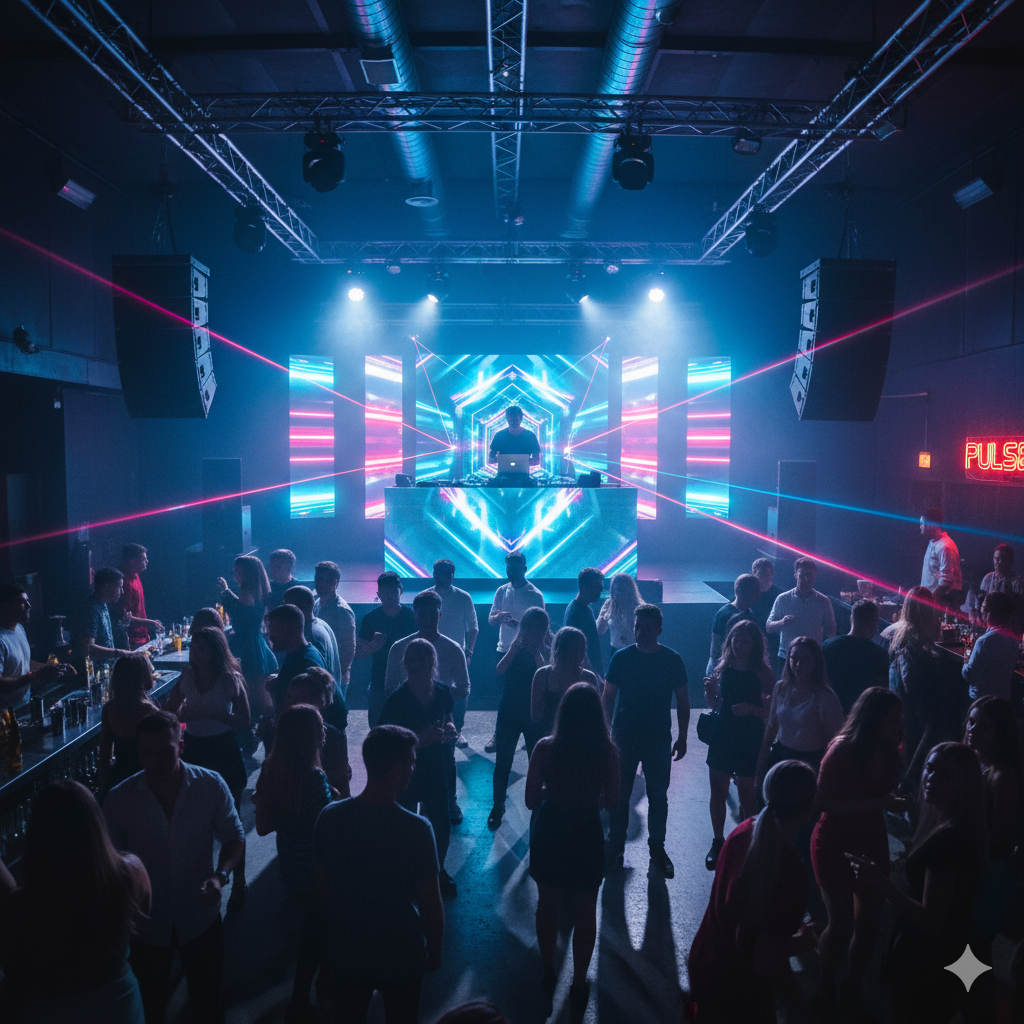
3-1 Typical door and drink pricing
Many events post advance/door differences and one-drink inclusion. For examples, check WOMB’s event pages (WOMB schedule) or ZEROTOKYO’s ticketing (ZEROTOKYO tickets). Hip-hop venues such as HARLEM list weekly programs and specials: HARLEM schedule.
3-2 Age, ID, and dress
Japan’s drinking age is 20; clubs align with this. Bring your passport; many doors refuse photocopies. Dress codes are casual but clean; sandals, sports uniforms, or large luggage can be denied at staff discretion (see each venue’s “Information” page).
3-3 Peak times and last entry
Weekend peaks are late; some venues set last entry near 3:00am. Always check the “OPEN/START” times on the official event page before you go. Advance tickets may include prioritized entry when lines are heavy.
Table 3: Reservation & Eligibility
| Method | Lead Time | Eligibility | Official (JP Link) |
|---|---|---|---|
| Advance e-ticket | 1–7 days before big acts | 20+, photo ID | Official website (Japanese) |
| VIP/Table inquiry | 2–5 days (earlier on weekends) | Minimum spend varies | Official website (Japanese) |
| Pay at door | Same day | Subject to capacity | Official website (Japanese) |
Events with guest headliners sell out; secure an e-ticket or arrive earlier for door tickets.
4. Venue Types & Services: which club fits your style?
4-1 Techno & house flagships
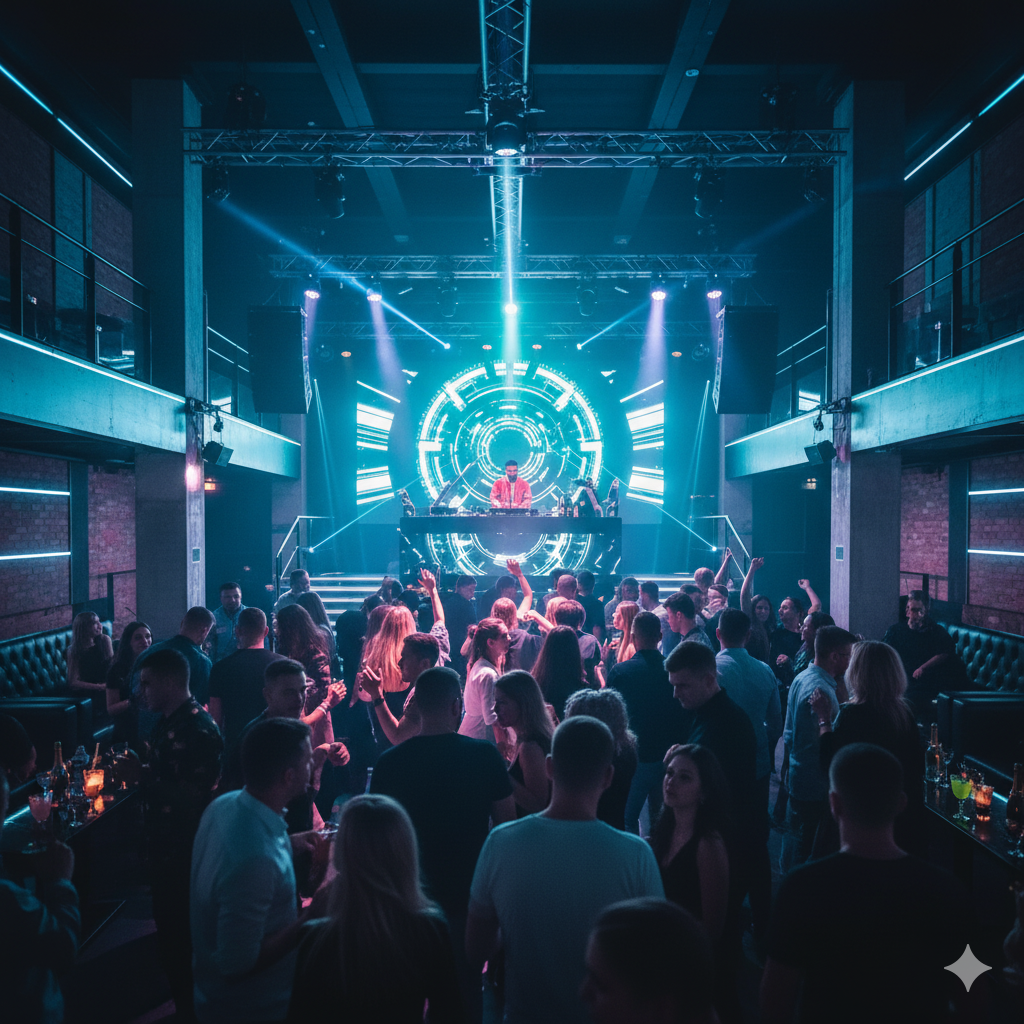
WOMB is a long-running Shibuya landmark with a high main room and lighting rigs; check its schedule for global techno/house acts. VENT focuses on sound quality with a streamlined room near Omotesando.
4-2 Hip-hop & R&B
Shibuya’s HARLEM anchors Tokyo hip-hop culture with resident and guest MCs/DJs; adjacent spaces host related events. Mainstream hip-hop parties also rotate through ATOM TOKYO.
4-3 Multi-genre megaclub
In Shinjuku’s Kabukicho Tower, ZEROTOKYO spans multiple floors (“Z” concept) with different sound zones and frequent international bookings. If you want everything in one building, this is the efficient choice.
5. Reservations, Etiquette & Useful Phrases: how to book and behave?
5-1 How to book efficiently
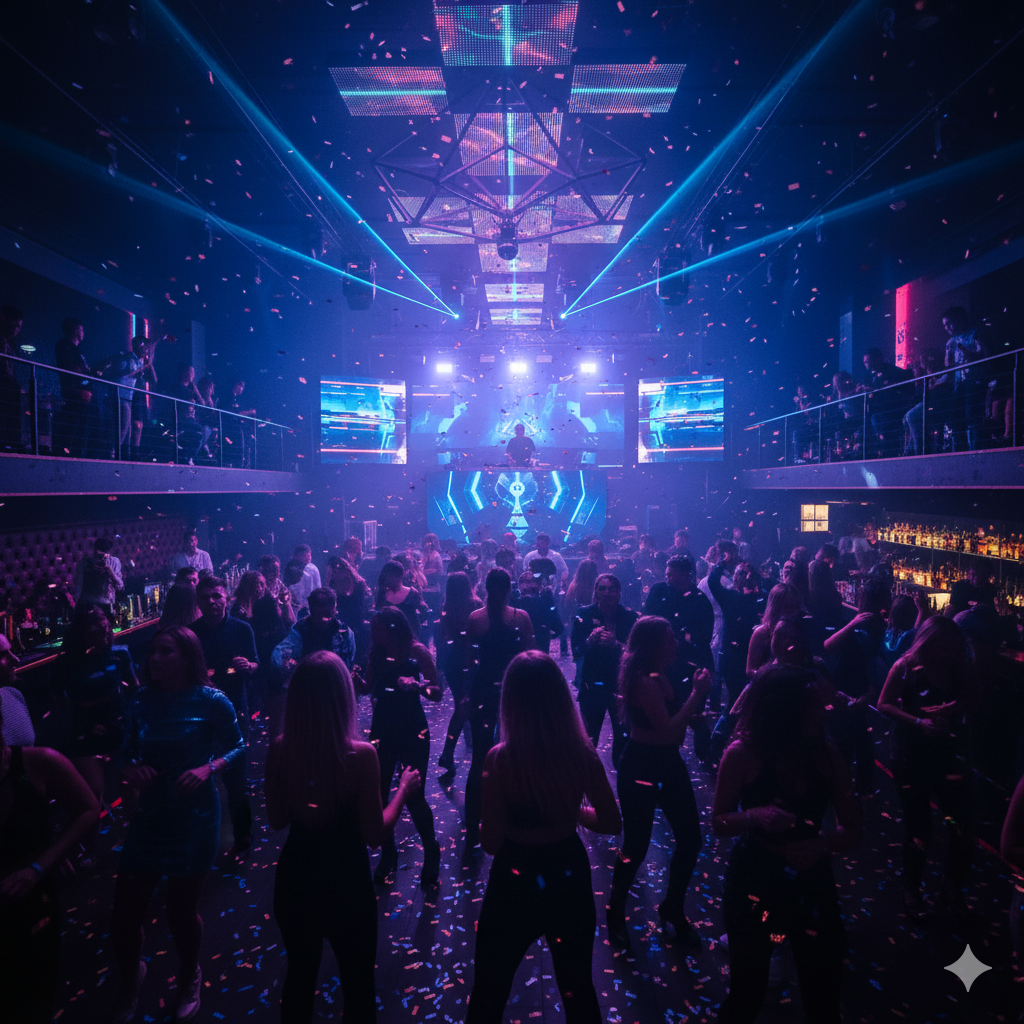
For headline nights, buy an e-ticket via the venue’s ticket partner pages: e.g., ZEROTOKYO Zaiko. Some clubs accept table/VIP inquiries through forms or DMs (see their “VIP” pages). On mainstream nights you can often pay at the door—arrive early for quicker entry.
5-2 Door etiquette & safety
Lines move fast when you have your phone ticket and ID ready. Inside, hydrated behavior is standard; many bars serve free water by request. Staff monitor floor safety—if you experience harassment, speak to “STAFF” immediately. Smoking areas are designated and marked on each floor plan.
5-3 Useful phrases (plain & polite)
- “Ticket at the door, please.” → 「当日券でお願いします。」(Tōjitsuken de onegai shimasu.)
- “Where is the cloakroom?” → 「クロークはどこですか?」(Kurōku wa doko desu ka?)
- “One more drink ticket.” → 「ドリンクチケットをもう一枚ください。」(Dorinku chiketto o mō ichimai kudasai.)
- “Is re-entry allowed?” → 「再入場はできますか?」(Sai-nyūjō wa dekimasu ka?)
- “I lost something.” → 「落とし物をしました。」(Otoshimono o shimashita.)
6. Summary and Next Steps
In short, Tokyo’s dance-floor geography is compact: Shibuya’s west-of-station lanes for genre-defined rooms and Shinjuku’s Kabukicho for a giant, multi-zone venue. Prices usually sit between ¥2,000–¥4,000, with operations running until first trains. To minimize friction, secure an e-ticket when headliners are listed, or just arrive early for door sale nights. Keep your passport in a safe pocket, travel light, and pace the night with water and breaks.
Planning a club night in a new city can feel like testing a maze in the dark: where are the reliable doors, which floor will actually match your sound, and how do you avoid wasting time in the wrong line? Even seasoned travelers stumble on small—but critical—Tokyo details: last trains around midnight, age checks at 20+, and event calendars that flip genres from night to night. Our goal is to make your evening smooth, not stressful, so you spend your energy on the dance floor rather than logistics.
Here’s the simple plan. First, pick your hub—Shibuya for dense hopping or Shinjuku for one mega-complex. Second, scan the official links in this guide to confirm tonight’s lineup and buy an e-ticket if it’s a headline night. Third, set a transport decision in advance: exit by 23:30 for the last train, or commit to first train with a late snack in between. Finally, carry passport ID and a charged phone for digital tickets and maps. With this checklist, most frictions disappear.
SoapEmpire exists to cut the guesswork. We cover nationwide nightlife in plain English and curate what matters: area context, door prices, access, and etiquette. For dance clubs in Tokyo, our editors compare hubs like Shibuya and Shinjuku against live schedules so you can match techno rooms such as WOMB and VENT, hip-hop institutions like HARLEM, or multi-genre stages at ZEROTOKYO. We package the essentials—what time to arrive, how much to expect at the door, and whether reservations are useful—so your night flows. The benefit is obvious: less wandering, more dancing, and a clear path from station to floor.
If you still prefer hands-off logistics, we can book on your behalf. SoapEmpire offers 24-hour booking support for a flat $10, ideal when you want VIP tables, birthday coordination, or just a guaranteed entry plan. Tell us the club and your time window; we’ll confirm options, handle Japanese communication, and send you a single, tidy itinerary. The result: you arrive confident, skip language friction, and maximize the best part of the night—the music. For reservations or inquiries, please contact us via the inquiry form.
More from SoapEmpire:
Tokyo Nightlife Districts Explained,
<">Osaka Nightlife & Clubs,
<>How to Book in Japan (English),
and our official site SoapEmpire.
If you’re interested in visiting any of these places, SoapEmpire offers a 24-hour booking support service for only $10.
Just send the store name, preferred time, and your name (nickname is fine) to:
takuma@skylinks-inc.com.
We’ll take care of your reservation quickly and smoothly.
FAQ
Q1: How much is a typical night out?
A: Expect ¥2,000–¥4,000 for entry with one drink, plus ¥700–¥1,000 per additional drink. Headline nights or VIP tables cost more—check each club’s official event page.
Q2: What is the best area to start?
A: For variety and club-hopping, start in Shibuya. For one venue with multiple floors and genres, choose Shinjuku’s ZEROTOKYO complex.
Q3: How do I book?
A: Buy e-tickets from the venue’s official ticket page (e.g., ZEROTOKYO on Zaiko) or pay at the door on regular nights. For tables, use the venue’s VIP inquiry page or ask SoapEmpire to arrange.
Q4: Do clubs check ID and enforce age?
A: Yes. Japan’s legal drinking age is 20. Bring your original passport; many venues require it for entry.
Q5: When is the best time to arrive?
A: For door tickets and smooth entry, arrive before 24:00. Peak floor energy is usually after 1:00am. If you need the last train, plan to exit around 23:30.
Editor’s note: Ranges and walk times are typical; always verify live event details on the linked official pages. This article focuses on clubs (dance venues), not adult services.