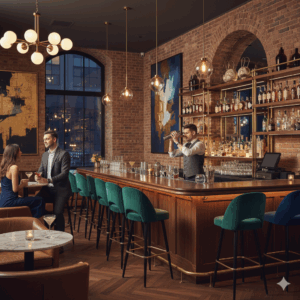
Fukuoka is compact, walkable, and built for late-night hopping—especially around Tenjin/Daimyo and the riverfront district of Nakasu.
This guide explains what “clubs” can mean in Fukuoka (dance clubs, large nightclubs, and lounge-style membership venues), plus access, typical fees, and simple etiquette.
If you want to minimize friction, focus on clear systems and official info—then decide whether you’re going for a dance floor night, a VIP seat, or a calm “talk-and-drink” venue.
In Fukuoka, “club” is not one single format. Visitors usually mean a dance-focused venue with a door fee, loud music, and a late closing hour. Locals also use “club” for lounge-style places where conversation and drinks are organized through a time-based fee system. Either way, these venues are designed as urban “night rooms”: controlled lighting, guided entry flow, and a clear boundary between street life and the inside atmosphere.
If you’re searching clubs fukuoka, the biggest practical decision is the vibe you want: (1) dance-floor energy in Tenjin/Daimyo, (2) a big nightclub night in Nakasu, or (3) a quieter, more formal lounge-style “members” space where the main activity is conversation, drinks, and hospitality rituals.
This article uses official Japanese sources for fees, hours, and access. Where exact numbers are not published, you’ll see “※reference (editor’s note)” so you can separate confirmed facts from general guidance.
1. Where should you start in clubs fukuoka?
2. How do you access top areas in Fukuoka at night?
3. What do prices, time, and eligibility usually look like?
4. Which venue types and services match your goal?
5. How do reservations, etiquette, and useful phrases work?
1. Where should you start in clubs fukuoka?
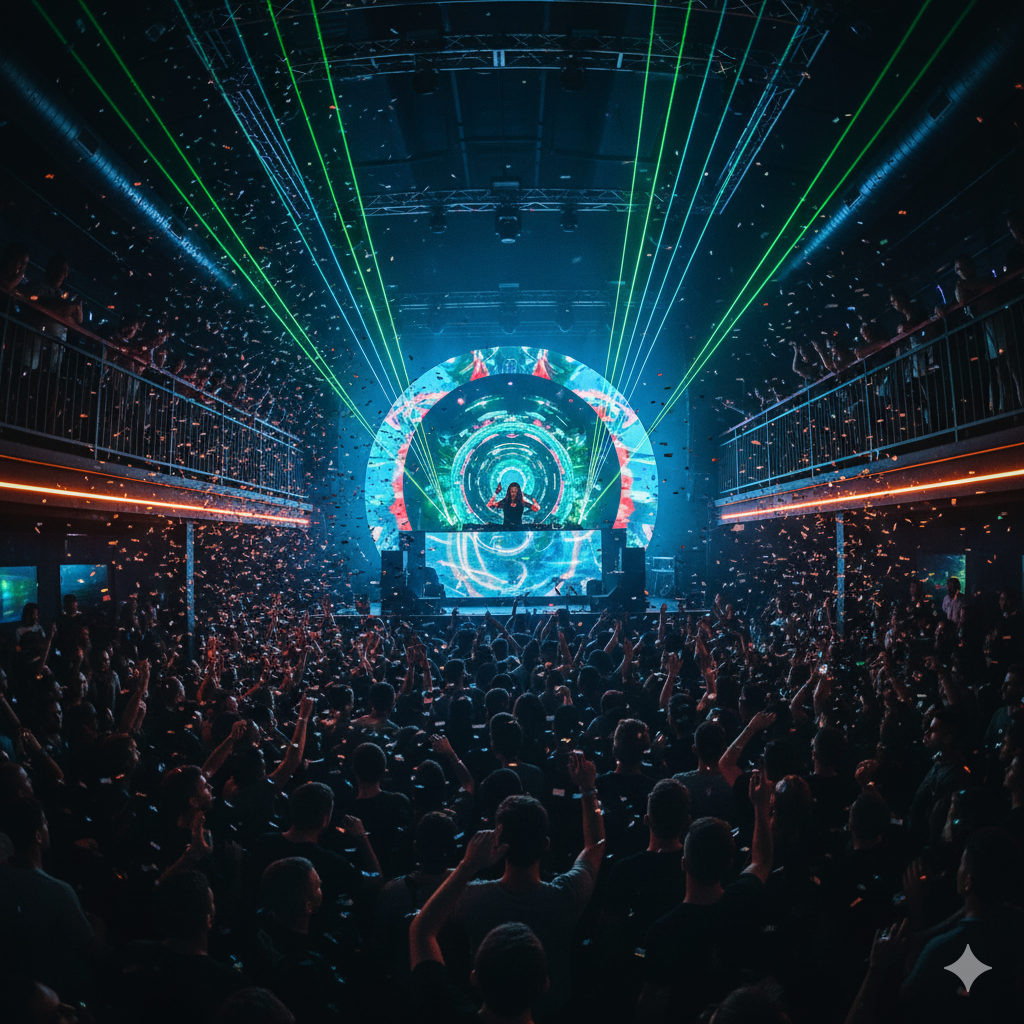
1-1 What “clubs” can mean in Fukuoka
In Fukuoka, “clubs” often split into two practical categories:
(a) dance-focused venues with a door fee and a late closing time (think DJ sets and a main floor), and
(b) lounge-style venues with a time-based “set” system, where the space is built for seated conversation, drinks, and hospitality routines.
The easiest way to understand the scale is to look at Nakasu as a nightlife district. Nakasu concentrates over 2,000 restaurants, bars, and clubs in a strip about 1.5 km north-to-south and 250 m east-to-west, according to
Nakasu (official travel guide).
That density is why many first-time visitors anchor a club night around Nakasu even if they start the evening in Tenjin.
1-2 The typical night flow (street → venue → after-hours)
A common flow is: dinner/drinks → club entry → a late walk along the river or through a dense nightlife street. The “club” part is usually the most structured moment: you pay a defined fee, follow a defined entry path, and the venue controls the tempo through music, lighting, and the layout of seating vs. floor space.
For example, a dance club like Ibiza lists a clear operating window of 21:00–5:00 on its official system page:
Ibiza Fukuoka SYSTEM (Japanese).
By contrast, lounge-style “members” clubs often publish set times and extension blocks (more like a timed social room than a dance hall).
Tip: In Fukuoka, “short and late” is normal. If you want a calmer start, begin in Tenjin/Daimyo and move to Nakasu later; if you want maximum density, go to Nakasu first and stay within walking distance.
1-3 A simple ethnographic lens: why clubs feel “organized”
Many Japanese nightlife spaces rely on “staged contact”: the venue sets rules for how people meet (where you stand, where you sit, when you move, how you order, how long you stay). This creates a feeling of safety and predictability—especially for visitors—because the night becomes legible. You can read the system from signs, staff guidance, and published fees.
This is also why official “system” pages matter more in Japan than in many other countries: they communicate the venue’s social format, not just the price.
2. How do you access top areas in Fukuoka at night?
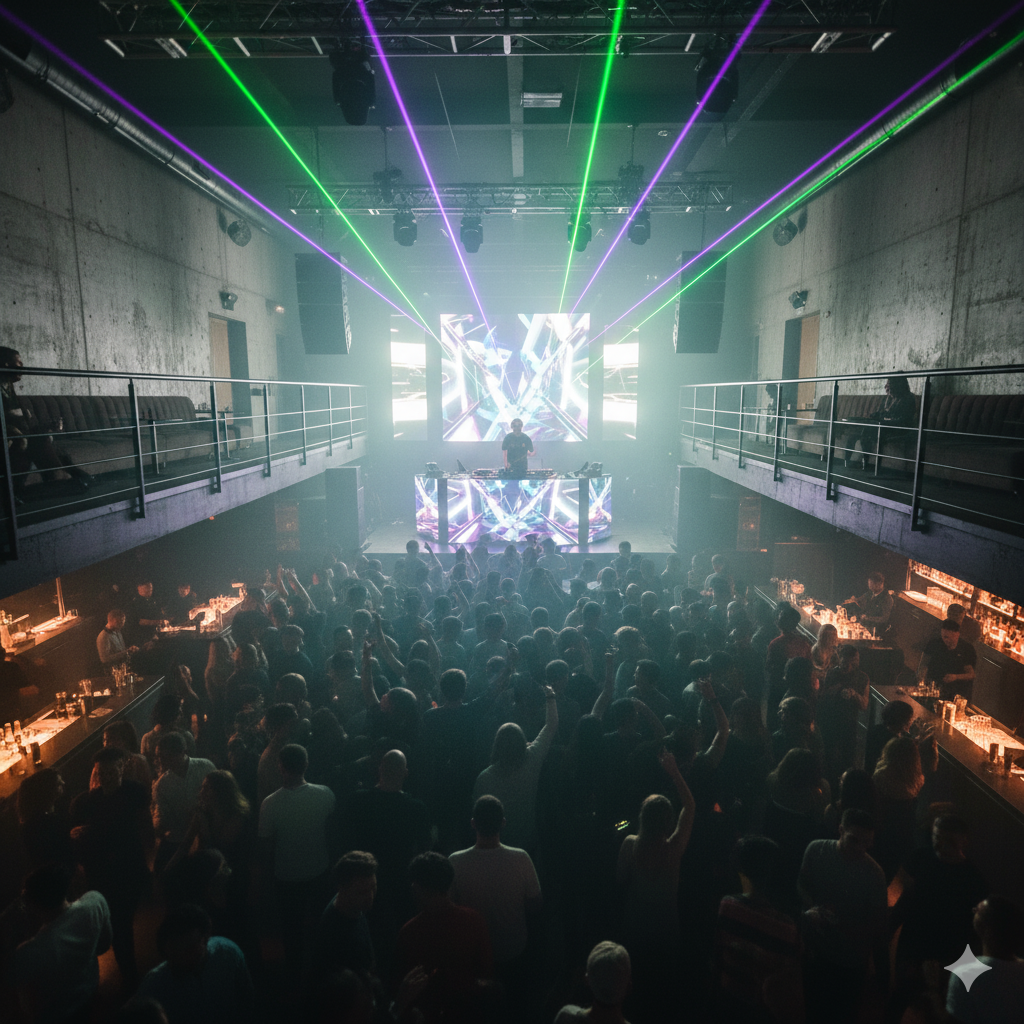
2-1 Tenjin & Daimyo: the walkable core for club nights
Tenjin is the main downtown hub; Daimyo sits nearby and is a common address for club venues. A practical example is Ibiza’s official address in Daimyo (Central Ward):
Ibiza Fukuoka CONTACT / ACCESS (Japanese).
This is a good “base” zone if you want to keep your night walkable and flexible.
For subway planning, the official English route map is a good starting point:
Fukuoka City Subway ROUTE MAP (English).
※reference (editor’s note): the Airport Line connects major hubs like Tenjin and Nakasu-Kawabata, which makes the late-evening move between areas straightforward.
2-2 Oyafuko Street: a youth-and-music corridor near Tenjin
Oyafuko Street is known as a lively strip with clubs and music venues. The simplest access fact is also the most useful: it’s about 10 minutes on foot from Tenjin Station, per
Oyafuko Street (official travel guide, Japanese).
That “10 minutes” matters because it means you can base in Tenjin and still reach a more music-forward cluster without switching trains.
Tip: If you’re unsure where your venue is, tell a taxi the district name first (“Tenjin,” “Daimyo,” or “Nakasu”) and then show the official address on your phone.
2-3 Nakasu: dense nightlife by the river
If you want “one area that has everything,” Nakasu is the classic answer. The official travel guide describes Nakasu’s nightlife density and gives the district scale:
Nakasu (official travel guide).
Use this to plan: pick one venue as your anchor, then keep everything within walking range.
One large nightclub example in Nakasu is GALA RESORT, which lists its nearest station as Nakasu-Kawabata with a walk of 1 minute:
GALA RESORT NAKASU (official site, Japanese).
Table 2: Access & Hours
| Station | Walk Time | Hours | Area (JP Link) |
|---|---|---|---|
| Tenjin Station | ~10 min | Street zone (varies by venue) | Official area page (Japanese) |
| Nakasu-Kawabata Station | ~1 min | 22:00–Last (Fri/Sat) | Official venue page (Japanese) |
| Kushida Jinja-mae Station (Nanakuma Line) | ~3 min | 20:00–24:30 (may extend) | Official venue page (Japanese) |
| Tojinmachi Station | ~15 min | Event-based (check schedule) | Official venue page (Japanese) |
Notes: Walk times and published hours above come from official venue/area pages. For “street zones,” hours vary by each individual venue.
3. What do prices, time, and eligibility usually look like?
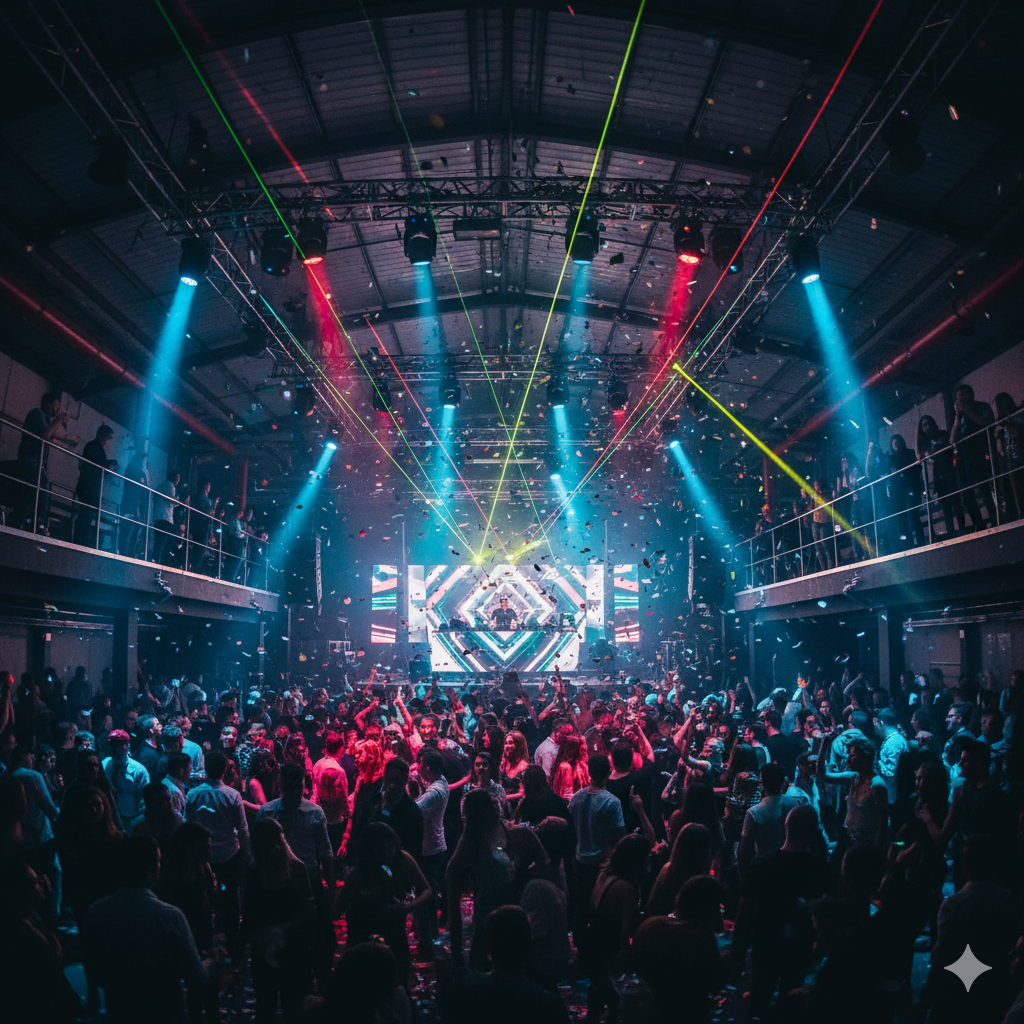
3-1 Door fees: what’s included and how to read it
A dance club’s “system” page is your best quick filter. Ibiza publishes clear door fees by day:
men pay ¥1,500 on weekdays (Mon–Thu) with 1 drink, and ¥2,500 on Friday/Saturday with 1 drink, per
Ibiza Fukuoka SYSTEM (Japanese).
That means you can plan your budget before you even leave your hotel.
For a large Nakasu nightclub, GALA RESORT lists a straightforward weekend system: ladies ¥2,000 and men ¥3,000, each with 2 drinks, during 22:00–Last on Friday/Saturday, per
GALA RESORT NAKASU SYSTEM (Japanese).
3-2 Set fees: timed hospitality venues (seated format)
Lounge-style clubs typically publish a time block (like 70 or 90 minutes), a base set fee, and extension increments. For example, Club Yuzuki publishes a set fee of ¥13,000 for 90 minutes, plus extension pricing, on its official page:
Club Yuzuki SYSTEM (Japanese).
This format is closer to reserving a “social room” than paying a dance-floor entry.
Another example is CLUB ALLURE, which lists a set of 8,000 yen (70 minutes) early evening and 9,000 yen (70 minutes) later at night, per its official system page content:
CLUB ALLURE (official site, Japanese).
The key is that your time is part of the price structure.
3-3 Eligibility: age rules and ID checks
Notice: Many venues check IDs at entry. Plan to bring a face-photo ID (passport is the simplest for travelers).
Example: Ibiza states entry is limited to guests 20+ and that ID checks are done at entry:
Ibiza Fukuoka SYSTEM (Japanese).
GALA states entry is limited to guests 18+ and lists accepted ID documents (including passports):
GALA RESORT NAKASU SYSTEM (Japanese).
Alcohol service in Japan is commonly treated as a 20+ rule. For an official public explanation, see
MHLW e-Health Net: Under-20 drinking (Japanese).
※reference (editor’s note): the practical takeaway for club visitors is that even if a venue’s entry age is 18+, alcohol service follows the 20+ standard.
Table 1: Venue Types & Base Fees
| Venue Type | Typical Fee | Session Time | Area (JP Link) |
|---|---|---|---|
| Dance club (Tenjin/Daimyo example) | Men ¥1,500–¥2,500 (with 1 drink); women vary | Open 21:00–5:00 | Official website (Japanese) |
| Large nightclub (Nakasu example) | Ladies ¥2,000 (2 drinks); men ¥3,000 (2 drinks) | Fri/Sat 22:00–Last | Official website (Japanese) |
| Membership lounge-style club (Nakasu example) | Set ¥13,000 (+ service/tax) | 90 min set (extensions published) | Official website (Japanese) |
| Lounge club with set system (Nakasu example) | Set 8,000–9,000 yen | 70 min set (extensions published) | Official website (Japanese) |
Notes: Fees and times above are taken from official “system” pages. Special events may change pricing (check the official site before you go).
4. Which venue types and services match your goal?
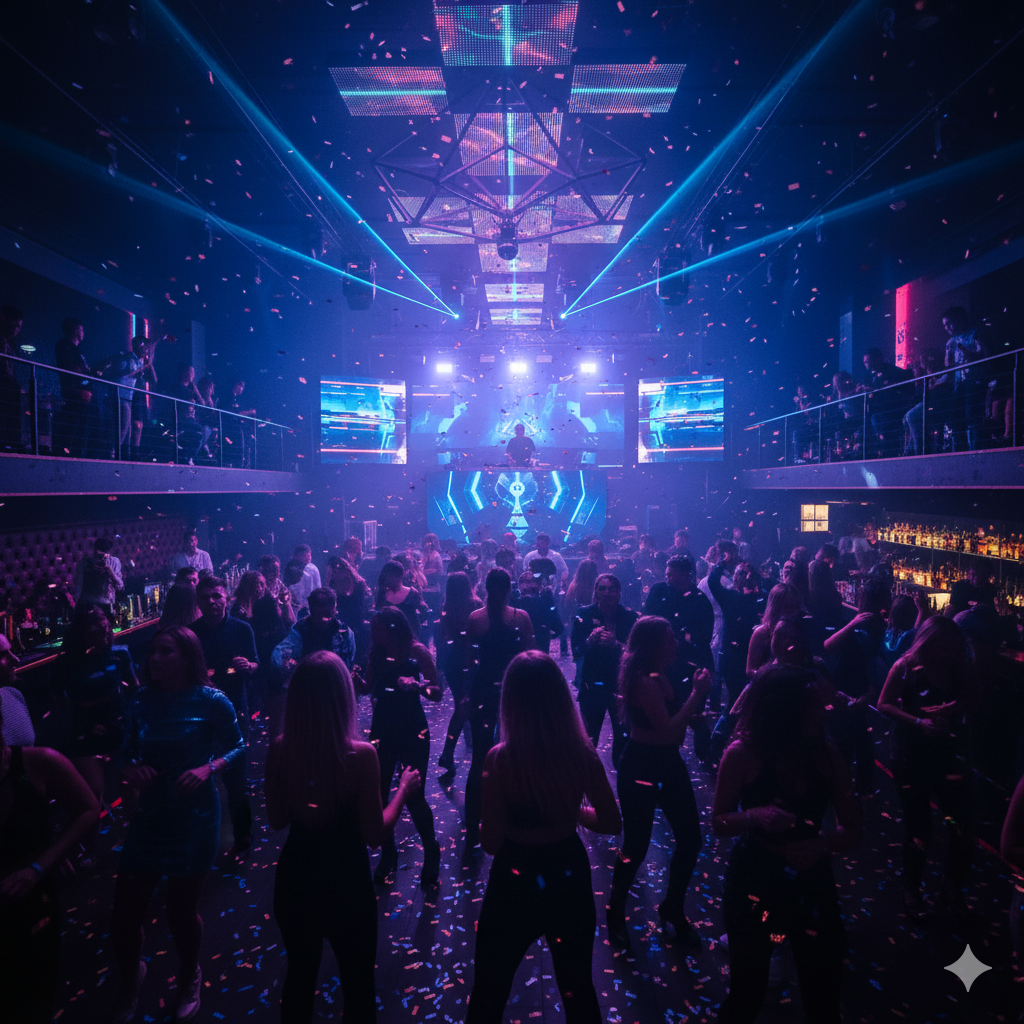
4-1 Dance clubs: simple entry, late hours, flexible nights
If you want a classic “club night,” look for a venue that publishes a door-fee system and long hours. Ibiza is a clean example: it publishes weekday/weekend entry fees and a consistent operating window of 21:00–5:00 on its official system page:
Ibiza Fukuoka SYSTEM (Japanese).
Dance clubs are best if you want flexibility. You can arrive later, stay a shorter time, and leave when you want. The “service” is the music + floor + drink inclusion—an organized format where the venue sets the pace.
4-2 Big nightclub nights: high density, weekend focus
Nakasu is the district for “everything close together,” and official sources describe it as a concentrated nightlife zone:
Nakasu (official travel guide).
In that setting, a large nightclub like GALA RESORT publishes a clear weekend schedule (Friday/Saturday) and a standard system price:
GALA RESORT NAKASU SYSTEM (Japanese).
Big nightclubs tend to be more “event-like”: the venue is part of the attraction. If you’re visiting on a weekend and want a single “anchor venue,” this category is the most efficient choice.
4-3 Lounge-style clubs: timed conversation and formal hospitality
Lounge-style clubs operate with a visible timetable (set minutes + extensions). Club Yuzuki publishes a set of 90 minutes and the base fee, plus a VIP room fee and operating hours:
Club Yuzuki SYSTEM & ACCESS (Japanese).
CLUB ALLURE similarly publishes set minutes and fee tiers by time band:
CLUB ALLURE (official site, Japanese).
These venues are less about the dance floor and more about institutionalized sociability: a stable rhythm of greetings, seated talk, drink ordering, and time management. If you prefer a quieter, more formal night, start here.
5. How do reservations, etiquette, and useful phrases work?
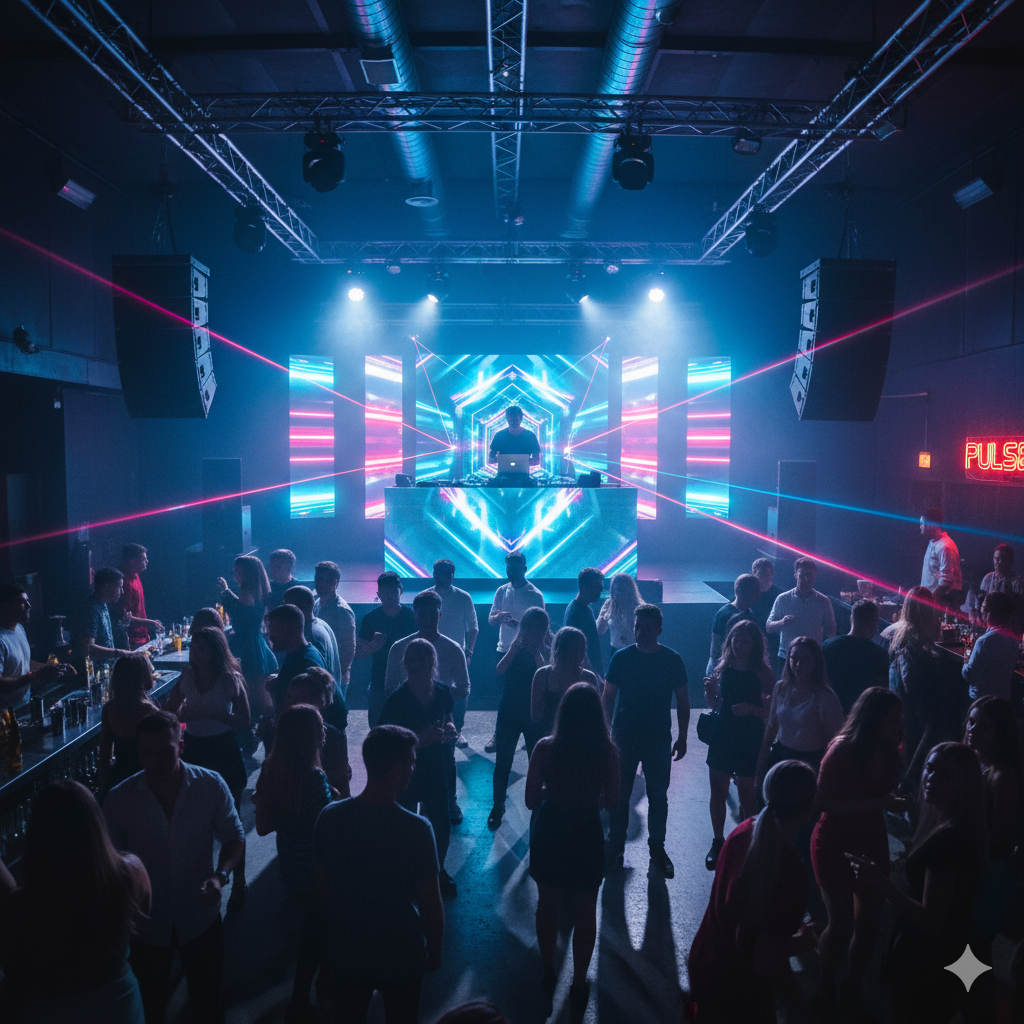
5-1 Reservations: when you need them (and where to check)
For dance clubs, you can often enter without booking. If you want to confirm location or ask a basic question, use the official contact info. Ibiza publishes a phone number on its contact/access page:
Ibiza Fukuoka CONTACT / ACCESS (Japanese).
For large nightclubs and VIP seating, the official venue site typically has a dedicated VIP path. GALA RESORT’s official site includes a VIP reservation entry point:
GALA RESORT NAKASU (official site, Japanese).
For lounge-style clubs, the “contact” menu is usually your starting point. Club Yuzuki provides an official inquiry link in its site navigation:
Club Yuzuki (official site, Japanese).
5-2 Entry etiquette: the small things that keep everything smooth
In Japanese nightlife, “smooth entry” is a big part of the experience. The venue’s system is designed to reduce uncertainty: you show ID, pay the system fee, and follow staff guidance. Two official examples:
Ibiza states ID checks are conducted and entry is for guests 20+:
Ibiza Fukuoka SYSTEM (Japanese).
GALA states ID checks for everyone and entry is for guests 18+:
GALA RESORT NAKASU SYSTEM (Japanese).
Tip: Keep your first interaction short and clear: “Two people, first time, is it OK?” Then follow the venue’s lead. In Japan, “cooperating with the system” is part of polite nightlife behavior.
5-3 Useful Japanese phrases (simple, polite, effective)
At the entrance
- 入れますか? (Hairemasu ka?) — “Can we enter?”
- 初めてです。 (Hajimete desu.) — “It’s our first time.”
- 身分証あります。 (Mibunshou arimasu.) — “I have my ID.”
For timing
- 何時までですか? (Nanji made desu ka?) — “Until what time?”
- 今から入れますか? (Ima kara hairemasu ka?) — “Can we enter now?”
For lounge-style venues
- システムを教えてください。 (Shisutemu o oshiete kudasai.) — “Please explain the system.”
- 延長できますか? (Enchou dekimasu ka?) — “Can we extend?”
Table 3: Reservation & Eligibility
| Method | Lead Time | Eligibility | Official (JP Link) |
|---|---|---|---|
| Walk-in entry (dance club) | Same night (walk-up) | 20+ with photo ID check | Official website (Japanese) |
| VIP seat (nightclub) | Check official VIP route | 18+ with ID check (passport accepted) | Official website (Japanese) |
| Inquiry/call (membership lounge-style) | Recommended if first visit | Time-based system (set + extensions published) | Official website (Japanese) |
Notes: “Lead time” guidance is practical (editor’s note). Eligibility rules shown above are taken from official system pages.
6. Summary and Next Steps
Many visitors who search for clubs fukuoka run into the same problems: you don’t know which district fits your vibe, you don’t know what the fee system really includes, and you don’t want awkward entry moments because of language or timing. Fukuoka is friendly, but its nightlife is also highly structured—doors, IDs, time blocks, and venue “systems” are part of the culture. The good news is that once you pick the right format, everything becomes simple and predictable.
Start by matching your goal to the venue type. If you want a flexible dance-floor night, choose Tenjin/Daimyo and follow published door-fee systems (for example, Ibiza’s weekday/weekend pricing). If you want a high-density, weekend-focused nightlife hub, Nakasu is designed for that scale and has major venues that publish clear entry rules and drink-included pricing. If you prefer seated conversation and a calmer, more formal rhythm, consider a lounge-style or membership club where set minutes and extensions are clearly listed. In every case, your “best choice” is the one that matches your timing, budget, and comfort level—not just the loudest place.
SoapEmpire is built for exactly this decision-making. We organize venues by district (Tenjin, Nakasu, and nearby nightlife streets), explain entry fees in plain English, and help you avoid confusion around reservations and eligibility. If you’re traveling with friends, arriving late, or trying a VIP seat, our biggest advantage is speed and clarity: you tell us the venue name, preferred time, and your basic details, and we handle the local communication. That means fewer misunderstandings, less time searching in the street, and more time actually enjoying your night.
Most importantly, we keep it practical. We focus on verified “system” details (prices, hours, access), and we translate the unspoken etiquette into easy steps—what to prepare, what to say at the door, and how to move smoothly between Tenjin and Nakasu. If you want one clear plan instead of ten open tabs, we can shorten your planning from “maybe” to “booked” in one message.
For reservations or inquiries, please contact us via the inquiry form.
6-1 Quick plan: 3 sample itineraries
Plan A (dance-first): Tenjin dinner → Daimyo dance club → late-night walk back toward Tenjin.
Use Ibiza’s official fee/hours page to pick your day:
Ibiza Fukuoka SYSTEM (Japanese).
Plan B (Nakasu anchor): Start in Nakasu → big nightclub on Fri/Sat → keep everything within the 1.5 km district scale described here:
Nakasu (official travel guide).
Plan C (calm & formal): Early drinks → lounge-style set system → finish before late-night crowding.
Use published set minutes like 90 min at Yuzuki:
Club Yuzuki SYSTEM (Japanese).
6-2 Checklist before you go
- Bring a photo ID (passport is simplest).
- Read the venue’s official “system” page for fees and included drinks.
- Choose district first (Tenjin/Daimyo, Oyafuko, Nakasu), then choose a venue.
- If you want VIP or a seated system, message/call earlier in the day. ※reference (editor’s note)
6-3 Useful SoapEmpire links (internal)
If you want more structured planning, these internal guides can help:
- Fukuoka Nightlife Guide (district overview)
- How to Book Nightlife in Japan (simple steps)
- Tokyo Night Districts (for comparison)
Official site: SoapEmpire
FAQ
Q1. How much is the entry fee for dance clubs in Fukuoka?
A common published example is Ibiza: men ¥1,500 on weekdays and ¥2,500 on Fri/Sat (each includes 1 drink), per
Ibiza Fukuoka SYSTEM (Japanese).
For a large Nakasu nightclub, GALA lists ladies ¥2,000 and men ¥3,000 with 2 drinks on Fri/Sat, per
GALA RESORT NAKASU SYSTEM (Japanese).
Q2. Do I need to book in advance?
Many dance clubs are walk-in, but VIP seating and some lounge-style venues work better with a quick inquiry. Use official contact/VIP pages such as
GALA RESORT NAKASU (official site, Japanese)
or the venue’s contact page like
Ibiza CONTACT / ACCESS (Japanese).
※reference (editor’s note): if you’re arriving late or traveling in a group, booking reduces uncertainty.
Q3. Can I go if I don’t speak Japanese?
Yes—focus on venues with clearly published systems and bring a photo ID. The most important phrases are “first time” and “ID.” Also use official pages to show staff the exact system and address (for example,
Ibiza SYSTEM (Japanese)
and
Ibiza ACCESS (Japanese)).
Q4. What time should I go?
Use the venue’s published hours as your anchor. Ibiza publishes 21:00–5:00 on its system page:
Ibiza SYSTEM (Japanese).
GALA publishes 22:00–Last on Friday/Saturday:
GALA SYSTEM (Japanese).
※reference (editor’s note): if you want less waiting, arrive earlier within the opening window; if you want peak energy, go later.
If you’re interested in visiting any of these places, SoapEmpire offers a 24-hour booking support service for only $10.
Just send the store name, preferred time, and your name (nickname is fine) to:
artistatakuma@icloud.com.
We’ll take care of your reservation quickly and smoothly.