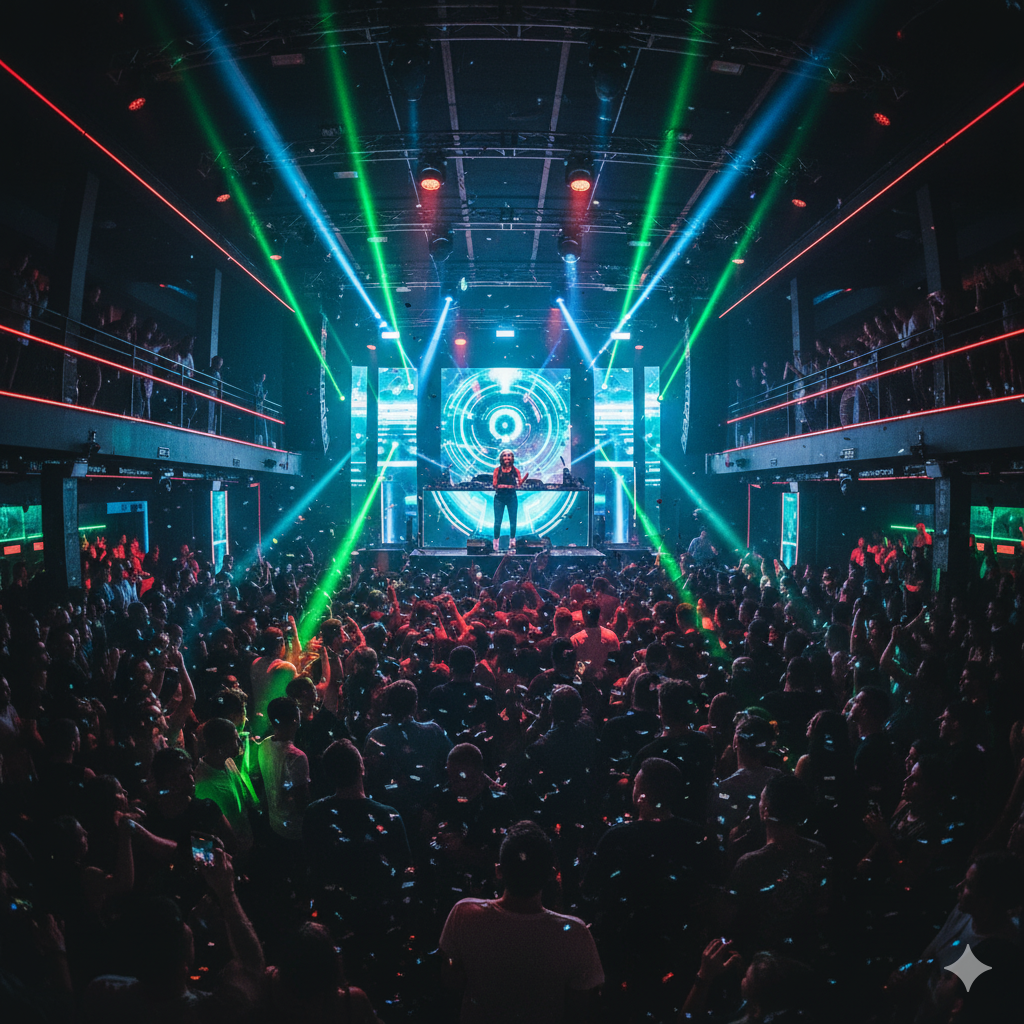
Tokyo’s gay bathhouse scene is mostly “sauna + hotel” style: you pay an entry fee, get a locker, and move through baths, steam/sauna rooms, and rest spaces at your own pace.
The practical keys are simple—pick an area near major stations, understand the time block you’re buying, and follow quiet, privacy-first etiquette.
This article focuses on gay bathhouse Tokyo as a city logistics topic: where it clusters, what typical fee/time systems look like, and what to say at the front desk.
In modern Tokyo nightlife, bath/sauna venues are designed like efficient “night spaces”: compact reception desks, short indoor routes, strong privacy norms, and clear signage that keeps movement predictable.
Gay-oriented bathhouses typically combine a public bathing zone (showers, hot bath, sauna) with quiet rest areas and small private rooms, often in station-adjacent buildings.
Service content is best understood as an environment—not a scripted staff-led performance. Staff usually handle check-in, towels, lockers, and facility rules; any intimacy (if it happens) is guest-to-guest and consent-based, not “provided” by employees.
That difference matters culturally: Tokyo’s nightlife often separates “space design + rules” from “what customers choose to do” inside the space.
Typical use cases split into two patterns: (1) a short reset (sauna, shower, nap) between trains and late-night plans, and (2) a longer stay that functions like a compact hotel night.
Visitors include locals and travelers across a wide age range; multilingual support varies, so simple phrases and calm planning help.
As urban culture, these venues sit at the intersection of public bathing traditions and modern “institutionalized intimacy”: time blocks, locker systems, and quiet conduct codes that make the space workable for many strangers at once.
1. What is a gay bathhouse Tokyo experience in 2026?
2. Which Tokyo areas make the most sense for first-timers?
3. How much does it cost, how long can you stay, and who can enter?
4. What venue types and services should you expect inside?
5. How do reservations, etiquette, and Japanese phrases work?
1. What is a gay bathhouse Tokyo experience in 2026?
1-1. What “gay bathhouse” usually refers to in Tokyo
A common Tokyo pattern is “sauna + hotel” aimed at gay customers: you check in, receive a locker key, and move between bathing zones and quiet rest spaces.
One of the clearest first-party descriptions is the official portal for 24 Kaikan, which explicitly frames the brand as a gay-oriented hotel & sauna group in Tokyo (Asakusa/Ueno/Shinjuku):
Official 24 Kaikan portal (Japanese).
1-2. Why the scene is “station-first” and “time-boxed”
Tokyo nightlife often runs on train geography. Bathhouse-style venues fit that rhythm: quick access from major stations, predictable indoor routes, and time blocks that let you plan your night without guesswork.
When a venue markets itself as “hotel & sauna,” it signals this practical purpose—rest and recovery in a controlled, rule-based indoor environment (see the same official portal above).
1-3. What the first-time flow feels like
The social logic is simple: reception → locker → shower → sauna/bath → rest area → checkout/extension.
Many venues use quiet signage and “do the basics first” norms (shower before entering shared baths, keep your items in the locker, follow staff directions).
※参考情報(editor’s note): Exact room layouts and in-venue zones vary widely; check the venue’s official page for the specific floor map and rules.
2. Which Tokyo areas make the most sense for first-timers?
2-1. Shinjuku: the nightlife hub logic (Ni-chome nearby)
Shinjuku is the practical base because it is a rail hub and a “late-night transfer” neighborhood.
If you are navigating around Shinjuku Sanchome (a common anchor station for moving toward Ni-chome), Tokyo Metro publishes station maps and exit guidance:
Tokyo Metro: Shinjuku-sanchome Station map (Japanese).
For gay-oriented sauna/hotel references, 24 Kaikan’s official portal is the cleanest starting point because it lists the Tokyo branches in one place:
24 Kaikan official portal (Japanese).
2-2. Ueno & Asakusa: travel-friendly nights with easier morning exits
Ueno and Asakusa are convenient if you want “older Tokyo” sightseeing by day and a simple indoor reset by night.
24 Kaikan explicitly lists Asakusa and Ueno as Tokyo branches on its official portal:
24 Kaikan official portal (Japanese).
If you’re unsure where a venue sits, prioritize “one transfer or less” from your hotel and a station you can recognize quickly at night (major JR/Metro hubs beat small local stops).
2-3. Ikebukuro: the “male-only sauna + hotel” alternative
Even if your focus is specifically gay bathhouses, it helps to know Tokyo’s parallel format: large, men-only sauna facilities that are designed for bathing, sauna routines, rest chairs, and short stays.
For example, Karumaru Ikebukuro is explicitly described as a men-only facility and publishes a clear access statement—Ikebukuro Station West Exit C6 is 30 seconds on foot—on its official page:
Karumaru Ikebukuro access (Japanese).
Table 2: Access & Hours
| Station | Walk Time | Hours | Area (JP Link) |
|---|---|---|---|
| Ikebukuro (West Exit C6) | 30 seconds | 11:00–next 10:00 | Official website (Japanese) |
Numbers are taken from the facility’s official access page. If you add more venues to your shortlist, use the same method: confirm “walk time,” “hours,” and “men-only/age” on the venue’s own page first.
3. How much does it cost, how long can you stay, and who can enter?
3-1. Fee logic: “entry + time block”
Many sauna/hotel-style venues sell a big, simple block so you can bathe, rest, and leave without watching the clock every 20 minutes.
For example, official 24 Kaikan branch pages publish an entry baseline of ¥3,300 for 12 hours, and a night entry option of ¥3,900 for 14 hours (after 9pm), plus an extension fee of ¥500 per hour after the time block:
24 Kaikan Shinjuku (official, Japanese).
Table 1: Venue Types & Base Fees
| Venue Type | Typical Fee | Session Time | Area (JP Link) |
|---|---|---|---|
| Gay-oriented hotel & sauna | ¥3,300 (night: ¥3,900) | 12h (night: 14h) | Official website (Japanese) |
| Gay-oriented hotel & sauna | ¥3,300 (night: ¥3,900) | 12h (night: 14h) | Official website (Japanese) |
| Gay-oriented hotel & sauna | ¥3,300 (night: ¥3,900) / 24h plan: ¥6,000 | 12h (night: 14h) / 24h | Official website (Japanese) |
| Men-only sauna & hotel | General entry: ¥3,480 (member: ¥2,980) | Business hours published as 11:00–next 10:00 | Official website (Japanese) |
Fee/time examples are quoted from official venue pages. Always confirm the “tax included” total and your time block on the same official page before you go.
3-2. Extensions and “late-night math”
The clean way to plan: decide your intended stay length first (short reset vs overnight), then choose the venue whose time block matches.
For example, 24 Kaikan’s official pages explicitly state an extension after the base block—¥500 per hour after the initial time limit:
24 Kaikan Shinjuku (official, Japanese).
※参考情報(editor’s note): Many urban facilities also apply different fee tables by weekday/holiday or late-night hours; treat posted time tables as part of the “system,” not as optional fine print.
3-3. Eligibility: age and venue rules
Eligibility is venue-specific, so your best move is to read the official “rules/price” section before you arrive.
As a concrete example of clear eligibility language, Karumaru’s official site states it is a men-only facility and includes age-related restrictions on the price page:
Karumaru Ikebukuro official site (Japanese).
Bring your ID and keep your planning simple: confirm (1) total price, (2) your time block, and (3) eligibility on the venue’s own page before you go.
4. What venue types and services should you expect inside?
4-1. Gay-oriented sauna/hotel: the “24 Kaikan” reference format
Tokyo’s best-known “gay bathhouse” pattern is the gay-oriented sauna/hotel model, explicitly framed as such by 24 Kaikan’s official portal:
24 Kaikan official portal (Japanese).
Official branch pages show that the experience is structured around time blocks and optional add-ons. For example, the Asakusa branch page publishes a 24-hour plan of ¥6,000 alongside the standard entry blocks:
24 Kaikan Asakusa (official, Japanese).
4-2. Men-only sauna/hotel: bathing-first, social-second
Large men-only sauna facilities are built for repeatable routines: multiple sauna styles, multiple baths, and standardized rest spaces (chairs, quiet rooms, sometimes capsule/hotel rooms).
Karumaru’s official site is a good example of how explicit these facilities can be about “what exists inside” (multiple sauna types, baths, and rest zones):
Karumaru Ikebukuro official site (Japanese).
4-3. The ethnography: “institutionalized intimacy” as space + rules
If you read Tokyo nightlife as culture, bathhouse venues are a clean example of how intimacy is shaped by architecture and procedure.
The venue doesn’t need flashy language: it uses lockers, time blocks, and quiet codes to make strangers co-exist in a small indoor world.
In gay-oriented venues, the same logic often supports a social atmosphere—without requiring you to “perform” anything for staff.
※参考情報(editor’s note): Because rules and zones differ, treat each venue’s official page as the real map of what is allowed and where.
5. How do reservations, etiquette, and Japanese phrases work?
5-1. Reservations: walk-in vs “book a room”
Your safest assumption is “walk-in for entry, booking for overnight rooms (if offered)”—then confirm the exact method on the official page.
Karumaru’s official site includes both facility guidance and reservation/booking pathways for stays:
Karumaru Ikebukuro official site (Japanese).
For gay-oriented venues, start with the official portal that consolidates links and updates:
24 Kaikan official portal (Japanese).
※参考情報(editor’s note): Some gay bathhouses operate primarily as walk-in venues; if you specifically need “guaranteed entry,” check official updates on the portal first.
Table 3: Reservation & Eligibility
| Method | Lead Time | Eligibility | Official (JP Link) |
|---|---|---|---|
| Walk-in entry + (optional) stay booking | Walk-in: same day / Stay: varies | Men-only; age rules published on site | Official website (Japanese) |
| Portal-first confirmation (branches listed) | Check official updates before you go | Gay-oriented venue group (branch-specific rules) | Official website (Japanese) |
Reservation norms differ by venue type. Use official portals/pages to confirm whether entry is walk-in, whether rooms can be booked, and what eligibility rules apply.
5-2. Etiquette: quiet, privacy-first, rule-following
Tokyo bath/sauna etiquette is “low drama”: keep your voice down, follow shower-first norms, and treat the venue as a shared quiet space.
Privacy is a core norm—avoid photographing or filming, and respect personal boundaries without making assumptions.
For a concrete example of how clearly venues publish their indoor rule environment, use official pages (e.g., Karumaru’s guidance and facility explanations):
Karumaru Ikebukuro official site (Japanese).
In gay-oriented bathhouses, do not treat the space like a bar where conversation is expected. Let the venue’s layout and posted rules guide you. Quiet behavior and consent-first interactions are the default.
5-3. Useful Japanese phrases (phone-friendly)
Table 4: Tips & Phrases quick ref
| Situation | Japanese | Romaji | Meaning |
|---|---|---|---|
| Ask about price (tax included) | 税込みの合計はいくらですか? | Zeikomi no gōkei wa ikura desu ka? | How much is the total including tax? |
| Confirm your time block | 利用時間は何時間ですか? | Riyō jikan wa nan-jikan desu ka? | How many hours is the session/time block? |
| Ask about English support | 英語で対応できますか? | Eigo de taiō dekimasu ka? | Can you help in English? |
| Say you will follow rules | ルールを守ります。 | Rūru o mamorimasu. | I will follow the rules. |
| Ask to repeat slowly | ゆっくり、もう一度お願いします。 | Yukkuri, mō ichido onegai shimasu. | Slowly, please repeat once more. |
Keep phrases short and neutral. Show your phone if pronunciation feels hard—most staff understand written Japanese more reliably than spoken attempts from visitors.
6. Summary and Next Steps
6-1. Pick your goal first
Decide what you actually want tonight:
(A) a bathing-and-sauna reset with predictable rules, or
(B) a gay-oriented sauna/hotel environment where the social atmosphere is part of the appeal.
If you are choosing (B), start with a first-party portal that clearly frames the venue category:
24 Kaikan official portal (Japanese).
6-2. A simple checklist you can follow every time
- Confirm the total fee and time block on the official page (not third-party listings).
- Pick a station you can reliably reach at night (Shinjuku / Ueno / Ikebukuro are common anchors).
- Bring ID and cash; keep your plan calm and minimal.
- Follow the venue’s quiet and privacy rules; do not treat shared spaces like a public stage.
6-3. SoapEmpire resources
If you want the “compare-and-decide” work done faster—areas, access, and what each venue system means—SoapEmpire organizes nightlife logistics in plain English across Japan’s major cities.
Our currently active publishing hub is:
SoapEmpire (official site).
Internal reading on SoapEmpire:
Tokyo Red Light District (Area 101),
Yoshiwara Area Basics,
How to Book (step-by-step).
Planning a gay bathhouse Tokyo night looks simple until you try to do it in real time: multiple neighborhoods, station exits that feel different at midnight, and fee systems that only make sense once you know the “time block” logic. Most first-timers don’t need more hype—they need clarity. Where should you base yourself (Shinjuku Ni-chome corridor vs Ueno/Asakusa), what does the venue actually sell (12–14 hour entry vs short stays), and what are the two or three rules that keep the visit smooth and respectful?
SoapEmpire is built for that exact problem. We treat Tokyo nightlife as an urban logistics map and an ethnography of “institutionalized intimacy”: spaces where interaction is shaped by reception procedures, locker systems, and quiet conduct codes. That approach is especially useful when you compare gay-oriented sauna/hotel venues like 24 Kaikan with “men-only sauna” alternatives that prioritize bathing-first routines. Instead of guessing, you get a simple shortlist, a station-first plan, and a checklist that you can reuse on future trips.
What makes SoapEmpire practical is the way we translate Japanese-only official pages into decisions you can act on: the total fee, the time block, the extension rule, and the eligibility notes—without slang or graphic framing. If you want extra help, we also offer 24-hour booking support for a flat $10, which is ideal when you prefer not to make calls in Japanese, or when you want someone to confirm the latest entry rules and the cleanest route from your hotel station.
Use SoapEmpire when you want your night to feel organized: fewer wrong turns, fewer awkward counter moments, and a calmer understanding of how Tokyo’s nighttime spaces actually work. Start with your goal (sauna-only reset vs social venue), pick your neighborhood anchor, and let our guides turn scattered information into a timed plan.
For reservations or inquiries, please contact us via the inquiry form.
FAQ
Q1. Is a gay bathhouse in Tokyo the same as an onsen or sento?
A1. Not exactly. An onsen/sento is mainly about bathing. A gay bathhouse in Tokyo usually means a sauna/hotel-style venue aimed at gay customers, with bathing plus rest spaces and a social atmosphere. Rules and layouts vary by venue.
Q2. What should I bring, and what is usually included in the fee?
A2. Most urban sauna facilities provide basics like towels and a locker key, but policies differ. Bring cash, your ID, and be ready to follow the venue’s posted rules. If you’re unsure, check the official Japanese page before you go.
Q3. Do I need to reserve, and can I use English at reception?
A3. Many bath/sauna venues are walk-in, while some facilities also accept bookings for hotel/capsule stays. English support varies—use short, polite phrases and confirm price/time clearly. When available, use the venue’s official site to confirm the process.
If you’re interested in visiting any of these places, SoapEmpire offers a 24-hour booking support service for only $10.
Just send the store name, preferred time, and your name (nickname is fine) to:
artistatakuma@icloud.com.
We’ll take care of your reservation quickly and smoothly.