If you want one simple rule: choose your area first (Center-gai, Dogenzaka, Udagawacho), then choose your music night.
For quick budgeting, many nights land around ¥3,000–¥4,000 for entry at major events, with VIP options priced as packages.
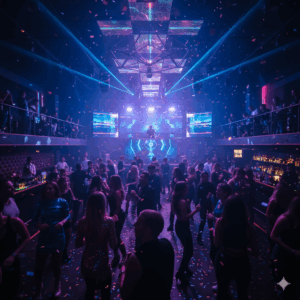
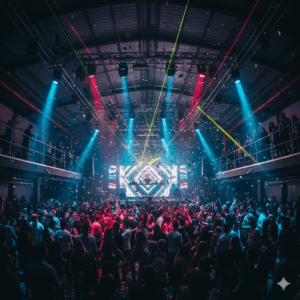
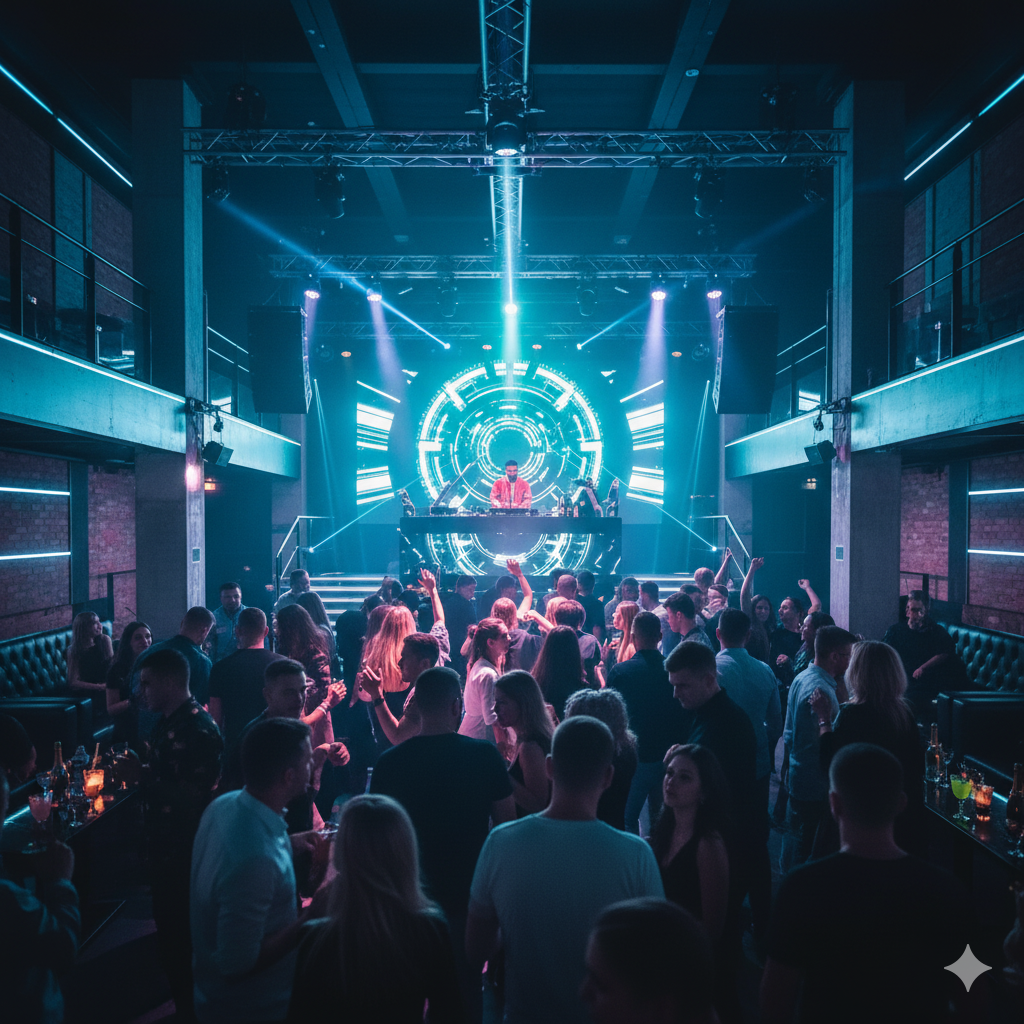
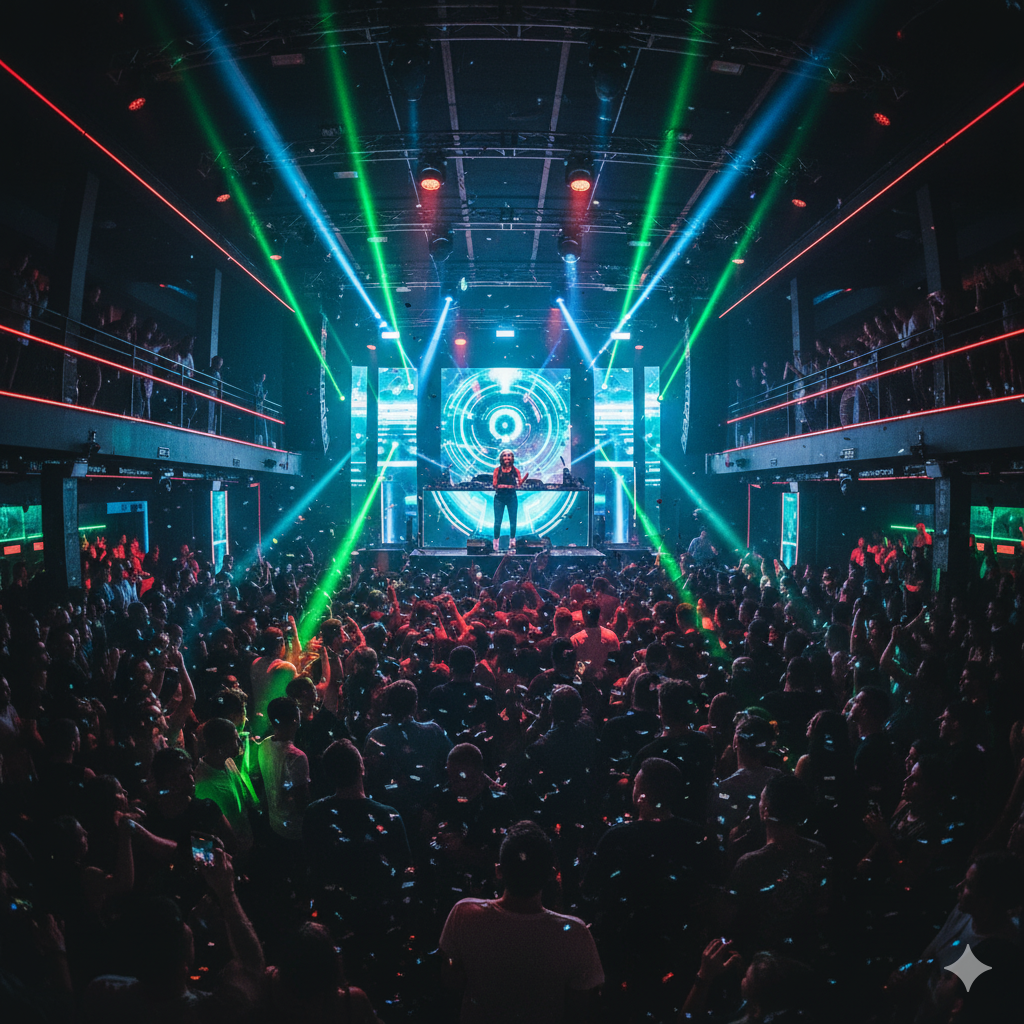
Shibuya club venues are built like efficient night-time “micro-cities.” You usually enter from a narrow street-facing door, move through a compact reception lane (cashier/ID check), then pass into a darker interior where sound, lighting, and crowd movement guide you toward the dance floor. Many spots are multi-floor: one floor for a main DJ set, another for genre nights, and a quieter lounge edge for conversation.
In practical terms, clubbing here is a structured form of social proximity: the venue controls intimacy with loudness, low light, drink stations, and defined circulation (stairs, rails, and floor boundaries). The “dance floor” becomes a socially approved zone for close-distance interaction, while VIP and terrace spaces sell distance, seating, and a clearer view of the main room.
For area context, Shibuya’s Center-gai is widely described as a youth culture hub with clubs and underground scenes nearby:
GO TOKYO: Shibuya Center-gai (Japanese).
Dogenzaka is a key nightlife slope with its own local association:
Shibuya Dogenzaka Official Site (Japanese).
1. Where should you start with Tokyo clubs Shibuya?
2. How do you reach the top Shibuya club areas?
3. What do prices, time, and entry rules look like?
4. Which venue types and music styles fit you?
5. How do reservations, etiquette, and phrases work?
1. Where should you start with Tokyo clubs Shibuya?
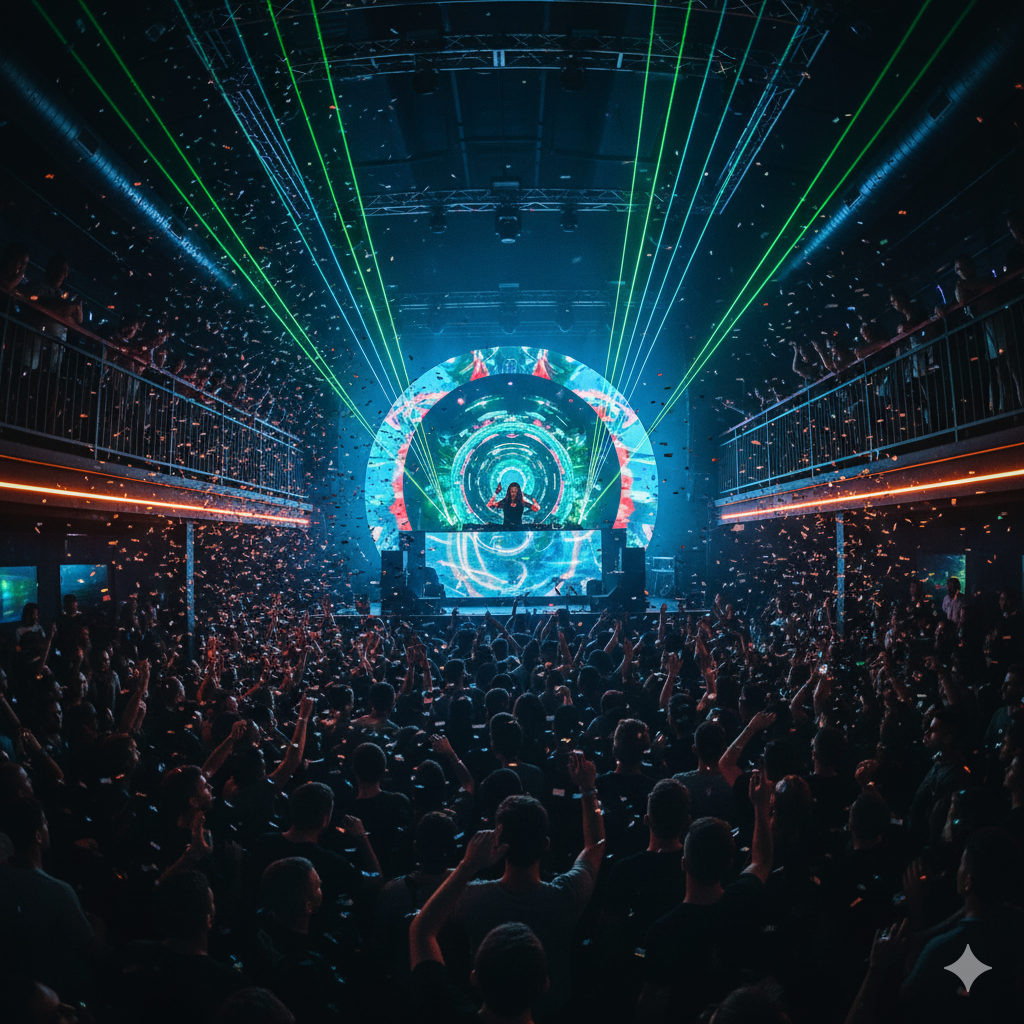
1-1. Shibuya as a “cluster” nightlife district
Shibuya is not one single strip. It is a cluster of small districts that connect by foot: the Center-gai shopping street area (dense, youthful, loud), the Dogenzaka slope (nightlife gradient), and side streets like Udagawacho and Maruyamacho that lead to more “venue-focused” doors.
A helpful baseline description of Center-gai’s role as a youth-culture core (with clubs nearby) is provided by:
GO TOKYO: Shibuya Center-gai (Japanese).
1-2. A simple decision tree for nightclub vs DJ events
If you want the classic “nightclub” package (multiple floors, big lighting, open-format music), choose a large multi-floor venue in the Shibuya core and go on a weekend.
If you want a tighter sound-driven night (genre focus, more DJ-forward), go for scheduled DJ events at a club with clear event listings. For example, clubasia publishes event pages that include start times and ticket pricing such as:
clubasia event page example (Japanese).
1-3. Typical “session flow” inside Shibuya clubs
Think of a Shibuya club night as a structured session:
(1) arrival and queue,
(2) ID check and payment at the entrance,
(3) wristband or stamp,
(4) drink ticket use or first bar order,
(5) main room and floor-hopping.
Venues design these steps so crowds move smoothly from the street to the dance floor without blocking corridors.
2. How do you reach the top Shibuya club areas?
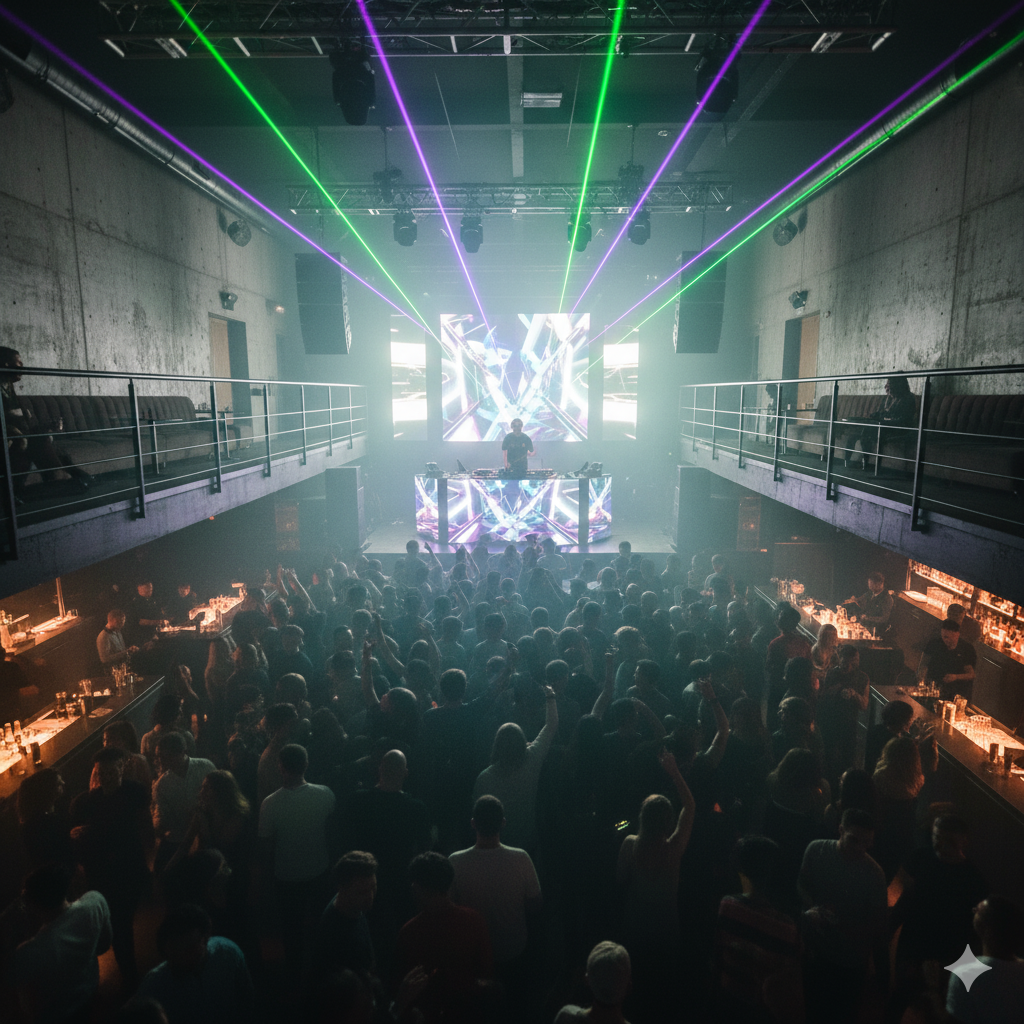
2-1. Center-gai and Udagawacho as the “easy start” zone
Center-gai is a common first stop because it is central and full of late-night energy. If your group is unsure, begin here, then move toward a venue once you’ve decided on music.
For an official area overview, use:
GO TOKYO: Shibuya Center-gai (Japanese).
For local community context, the shopping street organization also maintains its own site:
Shibuya Center-gai official site (Japanese).
2-2. Dogenzaka and “nightlife slopes”
Dogenzaka is a slope that naturally collects nightlife: venues, bars, and late-night food. It’s a “gravity street” in reverse—people walk up and down between doors all night.
The local Dogenzaka association is a useful anchor for understanding the area identity:
Shibuya Dogenzaka Official Site (Japanese).
2-3. Venue access: walk time beats taxi time
In Shibuya, the “last 5–7 minutes” is the whole game: queues, crossings, and narrow streets can matter more than vehicle time.
Some venues describe the walk in plain steps. For example, WOMB’s access page notes a Dogenzaka climb of about 5 minutes and a final straight of about 50 meters:
WOMB access (Japanese).
WWW / WWW X also provides a clear walking time of 7 minutes from Shibuya Station’s Hachiko Exit:
WWW / WWW X access (Japanese).
Table 2: Access & Hours
| Station | Walk Time | Hours | Area (JP Link) |
|---|---|---|---|
| Shibuya Station → Dogenzaka side | ~5 min (plus ~50 m final lane) | Event-based (check calendar) | Official access (Japanese) |
| Shibuya Station (multiple lines) | 5 min (listed for several lines) | 21:00–4:30 (system section) | Official system & access (Japanese) |
| Shibuya Station Hachiko Exit | 7 min | Entry rule note after 22:00 | Official access (Japanese) |
| Shibuya Station → Udagawacho | — | 22:00–04:30 | Official system (Japanese) |
Conclusion → numbers → source: for walk time and core hours, rely on each venue’s official access/system pages (links in the table). If a venue runs event-based nights, check the official calendar before you go.
3. What do prices, time, and entry rules look like?
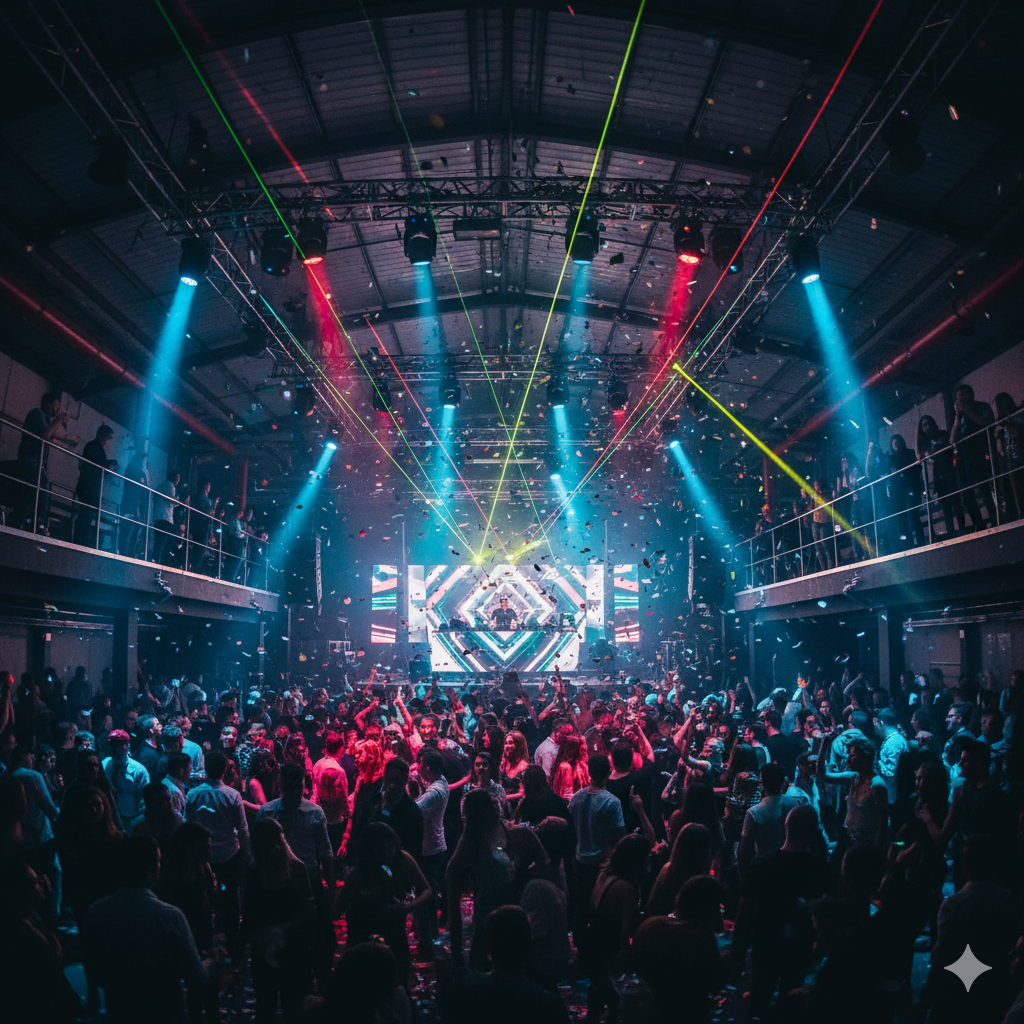
3-1. Cover charge patterns: ADV vs DOOR, and midnight shifts
The most common systems you’ll see are:
(a) “ADV (advance ticket) vs DOOR (pay at entry),”
or (b) “before midnight vs after midnight.”
For a concrete example of ADV/DOOR pricing, a clubasia event page lists ADV ¥3,500 and DOOR ¥4,000:
clubasia event pricing example (Japanese).
For “time-slot” pricing, CLUB CAMELOT’s official system shows a structured split. For example, men can see ¥1,000 in early hours and ¥1,900 or ¥3,900 as the night progresses depending on weekday/weekend time blocks:
CLUB CAMELOT system (Japanese).
This is a strong signal that Shibuya’s big venues often price “late-night peak time” differently.
3-2. Opening times: late starts, long nights
Shibuya club time starts late. It’s normal to see doors and starts around 23:00 for event-style nights.
The same clubasia event page shows open 23:00 / start 23:00:
clubasia event time example (Japanese).
For “everyday nightclub” hours, CLUB TK lists 22:00–04:30 as its opening hour:
CLUB TK system (Japanese).
3-3. Entry rules: age, ID, and dress expectations
WOMB’s official FAQ states that normal club-time events do not allow under-20 entry and that ID presentation is required; it also lists acceptable IDs such as a driver’s license or passport:
WOMB FAQ (Japanese).
WWW / WWW X also notes that after 22:00, entry is restricted to 20+ with photo ID:
WWW / WWW X access (Japanese).
Dress code language is often polite but clear. CLUB CAMELOT’s official page asks guests to come in stylish clothing and notes that certain outfits may be refused, with specific examples (for example, sandals restrictions):
CLUB CAMELOT about/system (Japanese).
Treat this as a “respect the venue atmosphere” rule rather than a luxury-only requirement.
Table 1: Venue Types & Base Fees
| Venue Type | Typical Fee | Session Time | Area (JP Link) |
|---|---|---|---|
| Multi-floor “big nightclub” (time-slot pricing) | Example system: MEN ¥1,000 early, then ¥1,900 (weekday) / ¥3,900 (weekend peak) | 21:00–4:30 (weekend system blocks shown) | Official system (Japanese) |
| Local nightclub (clear fee table, everyday hours) | Example: MEN ¥2,000 (22:00–24:00 weekend), then ¥3,500 after 24:00 | 22:00–04:30 | Official system (Japanese) |
| Event-focused club (ADV vs DOOR pricing) | Example event: ADV ¥3,500 / DOOR ¥4,000 | Example event: 23:00 open/start | Official event page (Japanese) |
Conclusion → numbers → source: the table uses official system pages (Camelot, TK) and an official event page (clubasia) so you can verify pricing and start times before you go.
Table 3: Reservation & Eligibility
| Method | Lead Time | Eligibility | Official (JP Link) |
|---|---|---|---|
| Pay at the door (DOOR) | Same day (arrive early on popular nights) | Often 20+ during club time; photo ID required | WOMB FAQ (Japanese) |
| Advance ticket (ADV) | Before the event (when listed) | Event-specific; check the event page | clubasia event page (Japanese) |
| VIP table package | Reserve online; packages run in 2-hour blocks | Packages indicate group size (e.g., 4–6 people) and price tiers | CLUB CAMELOT VIP (Japanese) |
| Premium lounge seating (club-side reservation) | Apply via form; table sizes listed (e.g., 4 or 8 seats) | For seated viewing + bottle-style service; confirmation by staff | WOMB Reservation (Japanese) |
Conclusion → numbers → source: VIP and lounge reservations publish concrete session blocks (like 2 hours) and table sizes on official pages, so you can choose based on group size and pacing.
4. Which venue types and music styles fit you?
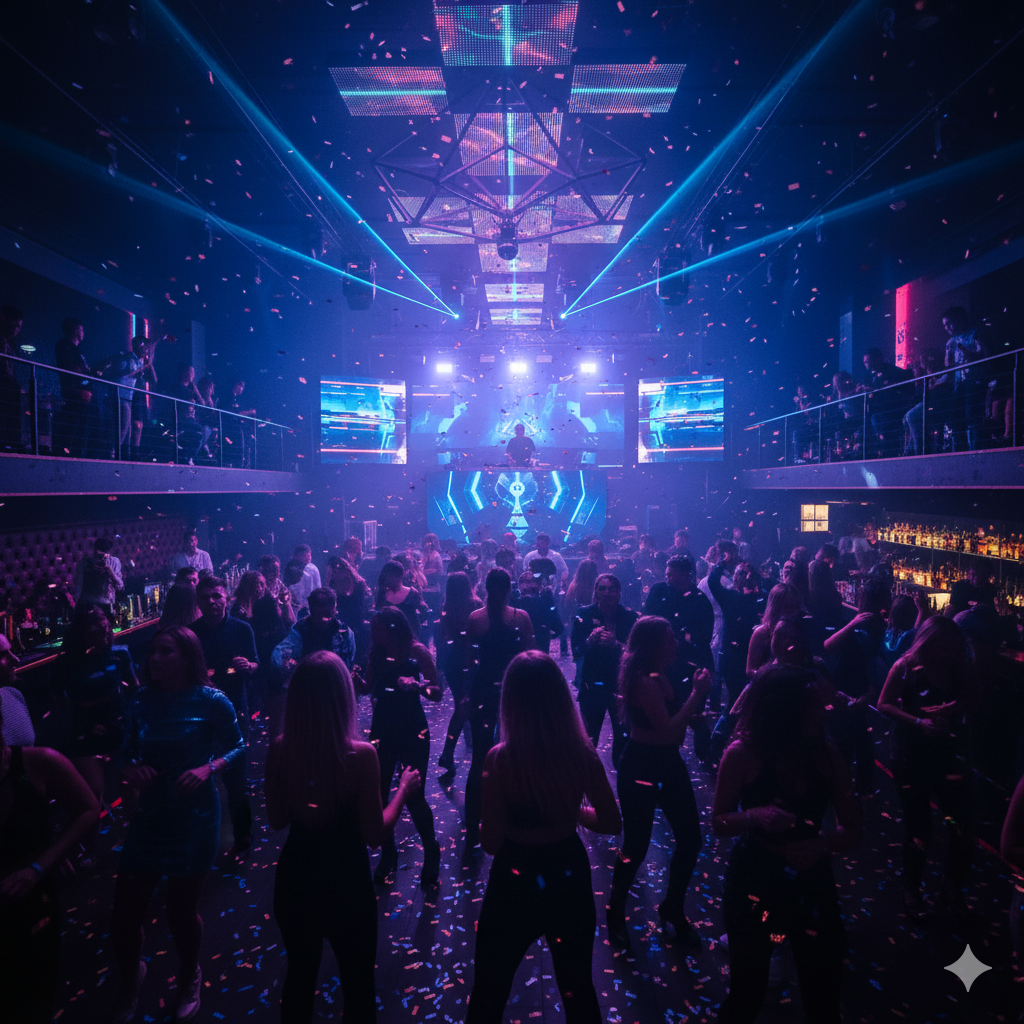
4-1. Multi-floor “theme zoning” (genres by floor)
Large Shibuya nightclubs often “zone” music and mood by floor: one main floor for high-impact sets, another for more social or open-format tracks, and a third for a different tempo or a lounge-feel.
CLUB CAMELOT’s official description explicitly frames the venue as 3 floors with wide coverage across EDM, house, hip-hop, and R&B:
CLUB CAMELOT about (Japanese).
This structure is useful if your group has mixed tastes.
4-2. Event-driven clubs: “one concept night” is the product
In event-driven clubs, the night itself is the product. The event page tells you almost everything: start time, pricing, and who is playing.
The clubasia event example shows a clear “open/start” and “ADV/DOOR” structure:
clubasia event page example (Japanese).
These nights often feel like a community gathering built around a shared genre.
4-3. Live venues that operate as “midnight club spaces”
Shibuya also has venues that are famous for live shows but host late-night dance events. Spotify O-EAST publishes “MIDNIGHT EAST” listings on its official schedule page:
Spotify O-EAST schedule (Japanese).
For a straightforward venue address and contact, you can also use the official access page:
Spotify O-EAST access (Japanese).
5. How do reservations, etiquette, and phrases work?
5-1. A clean entry routine (what to do at the door)
A smooth entry is mostly about doing the obvious steps quickly:
have your ID ready, follow the queue, pay, and move away from the cashier area before you decide what to do next.
If you’re unsure whether you must buy a ticket in advance, WOMB’s official FAQ clearly explains that you can still enter by paying the day-of fee at the entrance, and that “DOOR” on an event page refers to the day-of price:
WOMB FAQ (Japanese).
Also note the “ID reality”: it’s not just a formality. WOMB’s FAQ spells out that acceptable IDs include a passport and that some non-photo documents may require a second supporting item:
WOMB FAQ (Japanese).
Plan this before you leave your hotel.
5-2. VIP and lounge: how reservation-based intimacy is sold
In Shibuya, VIP and lounge seating is a formalized way to control distance and comfort: you pay for a stable “home base,” better sight lines, and less time spent searching for space.
CLUB CAMELOT’s VIP page shows packages with clear price tiers (for example, weekday plans like ¥40,000 and weekend plans like ¥80,000 or higher), and it frames use in 2-hour sessions with table capacity rules:
CLUB CAMELOT VIP (Japanese).
WOMB’s reservation page introduces a premium lounge concept (seating on an upper terrace) and lists table sizes (like 4 or 8 seats) along with an application flow:
WOMB Reservation (Japanese).
This is ideal if your group wants club sound without standing the whole night.
5-3. Useful Japanese phrases (simple, polite, effective)
You can do most of Shibuya clubbing with very simple Japanese. Here are phrases that work at the entrance, bar, and cloak/locker. Keep your tone polite and your sentences short.
- Entry / tickets: 「前売りありますか?」(Maeur i arimasu ka?) = “Do you have advance tickets?”
- Door price: 「当日はいくらですか?」(Toujitsu wa ikura desu ka?) = “How much is it today?”
- ID check: 「パスポートで大丈夫ですか?」(Pasupooto de daijoubu desu ka?) = “Is a passport okay?”
- Drink ticket: 「このドリンクチケット使えますか?」(Kono dorinku chiketto tsukaemasu ka?) = “Can I use this drink ticket?”
- VIP: 「VIPを予約したいです」(VIP o yoyaku shitai desu) = “I want to reserve VIP.”
6. Summary and Next Steps
If you’re searching for tokyo clubs shibuya and feeling overwhelmed, you’re not alone. Shibuya has an unusually dense mix of nightclub formats: multi-floor “theme zoning,” event-focused DJ nights, and live venues that switch into midnight dance spaces. The hard part isn’t finding a place—it’s choosing the right combination of area, timing, and entry system so your night feels smooth rather than scattered.
SoapEmpire helps you solve that problem with a traveler-first approach. We take the key sub-keywords that matter in real life—nightclub choice, DJ events, cover charge, and how the dance floor culture changes by district—and turn them into a simple plan you can follow in minutes. We don’t ask you to memorize Tokyo’s nightlife geography; we organize it by walk zones (Center-gai/Udagawacho vs Dogenzaka/Maruyamacho), then match you to venues whose official pages clearly show entry rules and time structure (ADV vs DOOR, and before/after midnight pricing).
What makes SoapEmpire different is practicality and support. Our guides focus on what you actually need at the door: photo ID expectations, the wording you’ll see on official pages (like “DOOR” and “ADV”), and realistic budgeting. If you want extra comfort, we also explain how VIP and lounge reservations work as time-block packages—so you can decide whether seating is worth it for your group size and your pacing.
Most importantly, we offer a direct help option: SoapEmpire provides a 24-hour booking support service for only $10. If you’re short on time, don’t read ten tabs—send us your preferred venue and time, and we’ll help you move from “maybe” to a real plan. You can explore our main site here:
SoapEmpire (official).
For reservations or inquiries, please contact us via the inquiry form.
6-1. A quick plan template you can copy
Use this simple template:
1) Choose your area anchor (Center-gai or Dogenzaka).
2) Pick one main venue with a clear official page (system or event listing).
3) Decide your entry approach: DOOR (arrive earlier) or ADV (buy before).
4) Set a meet point within walking distance of the venue door.
5) Keep one backup option in the same district (so you don’t waste travel time).
6-2. Handy official links (use these instead of guesswork)
- Area overview: GO TOKYO: Shibuya Center-gai (Japanese)
- Dogenzaka context: Shibuya Dogenzaka Official Site (Japanese)
- Time-slot system pricing: CLUB CAMELOT system (Japanese)
- Fee table + hours: CLUB TK system (Japanese)
- ADV/DOOR example + start time: clubasia event example (Japanese)
Related SoapEmpire reading (internal):
Tokyo Nightlife Guide,
Shibuya Nightlife Map,
How to Book (Step-by-step),
Osaka Nightlife Guide.
6-3. FAQs for first-time clubbers in Shibuya
Q1: What is a realistic cover charge for Shibuya clubs?
A realistic pattern is “ADV vs DOOR” or “before vs after midnight.” For example, an official clubasia event lists ADV ¥3,500 and DOOR ¥4,000:
official event page (Japanese).
Large nightclubs may also shift prices after midnight; see official system pages like:
CLUB CAMELOT system (Japanese).
Q2: Do I need to book in advance?
Not always. Some venues clearly state you can pay at the entrance (DOOR). WOMB’s FAQ explains that you can enter by paying the day-of fee at the entrance and that “DOOR” on an event page refers to the day-of price:
WOMB FAQ (Japanese).
If you want VIP seating, reserve ahead using official VIP or reservation pages:
CLUB CAMELOT VIP (Japanese).
Q3: What ID do I need, and is it really checked?
Photo ID is commonly required during club time, and checks are standard at entrances. WOMB’s FAQ lists acceptable IDs (including passport) and explains additional requirements for non-photo documents:
WOMB FAQ (Japanese).
WWW / WWW X also notes 20+ entry after 22:00 with photo ID:
WWW / WWW X access (Japanese).
If you’re interested in visiting any of these places, SoapEmpire offers a 24-hour booking support service for only $10.
Just send the store name, preferred time, and your name (nickname is fine) to:
artistatakuma@icloud.com.
We’ll take care of your reservation quickly and smoothly.
“`