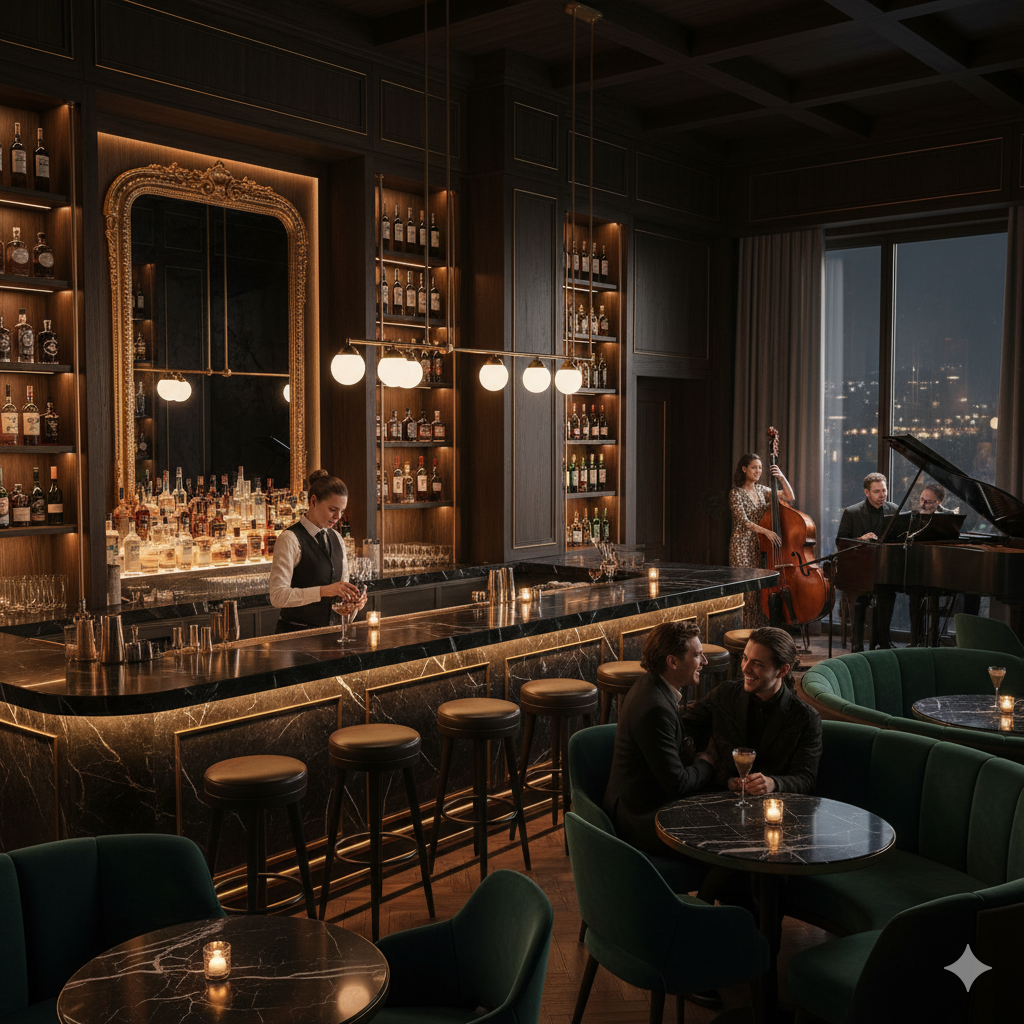
Start here: choose the right Tokyo jazz club style
If you want a polished night out, table service, and internationally known artists, start with Blue Note Tokyo or COTTON CLUB. If you care more about the music than the room, clubs like Shinjuku PIT INN, Body & Soul, and Alfie are usually easier to justify on total cost. The practical difference is not just cover charge. It is whether food is required, whether seat charge exists, whether both sets are included, and whether online booking is the normal path.
- Pick your budget before you pick the artist.
- Check whether the posted music charge includes one set or the full evening.
- Look for required food or drink orders, not just the headline ticket price.
- Treat premium clubs as reservation-first and smaller clubs as schedule-first.
- Do not assume “jazz club” means standing, casual, or cheap.
| System type | Time unit | Price signal | Common add-ons | Friction points | Best for |
|---|---|---|---|---|---|
| Premium live restaurant | Show-based | Highest total | Food, drinks, service, sometimes seat charge | Fast sellouts, card rules, seat type differences | A planned night out with low uncertainty |
| Classic local club | Usually both sets or full entry | Mid-range | Drink or food minimum, tax | Less standardized booking language | Serious listening without premium spend |
| Listening-first room | Per performance | Lower to mid-range | One drink included or simple drink spend | Less glamour, tighter seating | You want the music to be the whole point |
Five Tokyo jazz clubs worth checking first
Blue Note Tokyo is the premium benchmark: high-profile acts, polished service, and a system where music charge is separate from what you eat or drink. COTTON CLUB is similarly polished but more seat-type sensitive, which matters because some seats are online only and seat charge can change the total more than first-timers expect. Body & Soul is the strongest “serious club but still comfortable” choice, especially if you like the idea of one music charge covering both sets. Shinjuku PIT INN is the easiest answer for people who want a jazz-first room and lower total spend. Alfie works well when you want a smaller classic club feel in Roppongi without committing to the dinner-club format.
- Use Blue Note Tokyo for headline acts and a premium night.
- Use COTTON CLUB when central access and seat selection matter.
- Use Body & Soul for a balanced local-club experience.
- Use PIT INN when price discipline matters.
- Use Alfie when you want a compact room with a classic jazz-club feel.
| Club | Area | Typical charge pattern | Main friction point | Best first use |
|---|---|---|---|---|
| Blue Note Tokyo | Minami-Aoyama | Music charge plus one-order minimum; food and drink add service cost | Higher total and card-based booking rules | Premium night with a known artist |
| COTTON CLUB | Marunouchi | Music charge plus possible seat charge plus one-order minimum | Seat category changes the bill | Central, polished dinner-style show |
| Body & Soul | Shibuya | Music charge plus food and drink plus tax; both sets usually included | Minimum order details are easy to miss | Straight-ahead club night without premium venue pricing |
| Shinjuku PIT INN | Shinjuku | Ticket or entry price with one drink included | Less lounge comfort, more music-first atmosphere | Good music at a controlled total cost |
| Alfie | Roppongi | Variable charge plus two-item minimum | Monthly schedule details matter a lot | Classic small-club evening |
What a Tokyo jazz club night really costs
Start with the club’s base logic. At premium venues, “music charge” is often just the admission layer. Food and drinks are extra, and in some cases service cost or seat charge also applies. At smaller clubs, the system can be easier, but not always cheaper if you miss a minimum-order rule. Body & Soul is a good example of the Tokyo pattern: music charge is separate, food and drink are separate, tax matters, and the one-drink-plus-one-dish or one-drink-per-stage rule changes the real spend. At PIT INN, one drink is already built in, which makes the total much easier to predict. At Alfie, the two-item minimum can make a mid-range charge feel less mid-range than it looks on the schedule. At Blue Note Tokyo and COTTON CLUB, the right question is never “How much is the ticket?” It is “What is the all-in total after seat type, mandatory order, and venue-side extras?”
- Separate admission from food and drink every time.
- Assume premium clubs will cost noticeably more than the schedule headline.
- Check whether one drink is included or merely required.
- Read seat labels at COTTON CLUB carefully.
- Budget extra room for tax, service, or both where stated.
| Base | Time | Extensions | Options | Fees | Where stated | What to confirm |
|---|---|---|---|---|---|---|
| Music charge | Per show or full evening | Usually none | Different by artist/date | None by itself | Schedule page | Does it cover both sets or a single show? |
| Seat charge / table charge | Per reservation/seat type | Can scale by seat class | Box or pair seating | Sometimes pre-paid | Seat map or reservation page | Is it charged per person or by box? |
| Food and drink | During show | Extra drinks increase total quickly | One-order or minimum-order rule | Tax or service may apply | Menu or system page | Minimum order and service rules |
| Simple entry with drink included | Per show | Rare | Lower upsell pressure | Usually clearer total | Event listing | Whether advance and door prices differ |
What to confirm before you go
The official page usually tells you enough, but only if you read three layers instead of one: the schedule page, the reservation page, and the FAQ or system page. The schedule page gives you artist, time, and the admission layer. The reservation page tells you how the venue wants to be paid. The FAQ or system page is where clubs hide the useful details: age limits, whether both sets are included, whether cancellations cost money, and what happens if you arrive late. Blue Note Tokyo is a good example. Its FAQ makes clear that online booking is card-based, there is no physical ticket, some changes and cancellations create charges, and online reservations are not designed for cardless users. COTTON CLUB’s reservation page makes it clear that online reservations and phone reservations are not identical. Body & Soul’s system page explains the must-order rule, no dress code, and that both stages are typically included. Those are exactly the details that change your plan.
- Read schedule, reservation, and FAQ pages as one set.
- Confirm whether online booking requires a credit card up front.
- Check if your show has age restrictions or show-time-based entry rules.
- Look for the real meaning of “music charge” at that venue.
- Do not assume cancellation is free because the site looks informal.
| Item | Where to find | Typical wording | Why it matters |
|---|---|---|---|
| Admission structure | Schedule page | Music charge / entry fee / door | Stops you from mistaking base price for total price |
| Mandatory order | System or menu page | One order / one drink / drink plus dish | Changes total spend immediately |
| Seat category | Reservation page | Table, pair, box, arena | Different categories may book and bill differently |
| Arrival rule | FAQ or booking notes | Please arrive before 1st set / check-in opens at | Prevents late-arrival confusion |
| Payment rule | Reservation and FAQ pages | Card required / pay on arrival / drinks paid separately | Prevents failed booking or wrong payment expectations |
How the night works on site
At premium rooms, the sequence is structured: arrive around opening, check in under your reservation name, wait to be guided to your seat, order food or drinks, then settle only the unpaid portion after the show. At COTTON CLUB, for example, online booking and payment can cover music charge and seat charge ahead of time while drinks and food remain day-of spending. At Blue Note Tokyo, there is no physical ticket and online guests may receive seat information before arrival. At classic clubs, the process is simpler but less formalized: you arrive, confirm your name or walk in, sit down, order what the house requires, and stay through the sets the system covers. Body & Soul is especially important here because its normal system is not a changeover between sets; one music charge usually lets you stay for both. PIT INN is the clearest music-first pattern: the venue logic is not dinner-service pacing but getting you into the room for the performance.
- Arrive before the first set unless the venue clearly says otherwise.
- Know whether your reservation is name-based or ticket-based.
- Expect smaller clubs to move faster and explain less.
- Do not assume you can reserve only one set at every venue.
- Order early if the venue serves proper food.
| Stage | What happens | Where people misread it |
|---|---|---|
| Before arrival | You confirm schedule, seat type, payment, and order rules | People stop after checking only the artist page |
| Check-in | You give your reservation name or ask for walk-in status | People expect a barcode or printed ticket everywhere |
| Seating | Staff seats you, or you follow the room’s simpler local flow | People assume seat choice is always free-form |
| Ordering | You satisfy the house rule and add anything else | People miss minimum-order language |
| Checkout | You pay what remains after any prepaid part | People think admission and drinks are always bundled |
Reservations: web, phone, and walk-in reality
For Blue Note Tokyo and COTTON CLUB, online booking is the default path if you already know your date. Blue Note’s reservation timing is release-date driven, and its online flow is built around card payment. COTTON CLUB also supports strong web booking, but it is important that online and phone reservations do not work the same way. Online is broader in seat choice, while phone reservations are narrower but sometimes useful when the web view looks sold out. Body & Soul sits in the middle: reservations are available, but the venue also makes clear that no-reservation entry can work if the room is not full. PIT INN is simple: reservation gives priority entrance and is worth using for anything you care about. Alfie is the kind of place where the monthly schedule matters; the correct move is to read that month’s page closely rather than assume one permanent rule.
- Book early for Blue Note Tokyo and COTTON CLUB.
- Use phone only when the club’s own system makes phone materially different.
- Do not rely on walk-in for headline dates.
- At smaller clubs, flexible date choice is often better than over-planning.
- Read the exact month’s schedule page for smaller venues.
| Venue style | Web booking | Phone booking | Walk-in reality | What to watch |
|---|---|---|---|---|
| Blue Note Tokyo | Strong default | Useful for special cases | Unreliable for popular nights | Reservation release time, card rules, cancellation conditions |
| COTTON CLUB | Best for seat choice | Best for table-seat fallback | Possible but not ideal | Seat category and prepayment split |
| Body & Soul | Check schedule first | Useful and direct | Real option if not full | Both-set logic and must-order rule |
| Shinjuku PIT INN | Simple reservation form or ticket flow | Good fallback | Possible, but priority goes to reservations | Advance versus door price and priority entry |
| Alfie | Month-by-month reading required | Often clearer than guessing | Depends heavily on date | Charge variation and two-item minimum |
Which Tokyo area fits your night best
Minami-Aoyama works best when the club itself is the destination and you are treating the night as a polished event. That is Blue Note Tokyo territory. Marunouchi is the easiest answer for people coming from major stations, business hotels, or a cleaner dinner-and-show plan; that is where COTTON CLUB wins. Shibuya gives you Body & Soul, which is useful when you want a real club feel without fully leaving the convenience of a major district. Shinjuku is the practical choice when you want dense transit, lower spend, and a music-led room, which is why PIT INN continues to be such a strong default. Roppongi makes sense when you want nightlife energy around a smaller classic venue, and that is where Alfie fits.
- Choose Aoyama or Marunouchi for a planned destination night.
- Choose Shinjuku for easiest transit plus lower-cost jazz-first options.
- Choose Shibuya for a balanced local-club experience.
- Choose Roppongi if the club is one part of a wider late evening.
- Do not separate venue choice from your return route.
| Area | Venue fit | Total-cost feel | Friction profile | Good when you want |
|---|---|---|---|---|
| Minami-Aoyama | Blue Note Tokyo | Highest | Booking and budget discipline | A polished destination evening |
| Marunouchi | COTTON CLUB | High but controllable | Seat-type reading | Central access and dinner-style pacing |
| Shibuya | Body & Soul | Mid-range | Order-rule reading | A real club feel with convenience |
| Shinjuku | Shinjuku PIT INN | Lower to mid-range | Fewer comfort extras | Music-first planning with easy transit |
| Roppongi | Alfie | Mid-range | Month-specific detail checking | A compact classic club night |
Summary and next steps
If you want one clean recommendation path, use this order. First, decide whether you want a premium dinner-club night or a music-first room. Second, calculate the real total by adding mandatory orders, seat charges, and venue-side fees where applicable. Third, read the reservation page, not just the schedule page. Fourth, choose the district that matches the rest of your evening. That sequence works better than trying to crowd-source a universal “best Tokyo jazz club,” because the real answer depends on budget, booking style, and what kind of night you are trying to have. For most first-time visitors, Blue Note Tokyo and COTTON CLUB are safer if you want structure, while Body & Soul and PIT INN are safer if you want value. Alfie is the right pick when you want a smaller classic room and you are willing to read the monthly schedule carefully.
- Choose premium or local first.
- Estimate all-in spend before reserving.
- Use the reservation page as the source of truth.
- Match the district to your wider evening plan.
- Treat small clubs as date-sensitive, not generic.
| If you want… | Start with… | Main check before booking |
|---|---|---|
| A polished destination night | Blue Note Tokyo | Real total after order and service costs |
| Central access with dinner-club comfort | COTTON CLUB | Seat class and payment split |
| Balanced local-club experience | Body & Soul | Must-order rule and both-set logic |
| Best value for serious listening | Shinjuku PIT INN | Advance versus door pricing and reservation priority |
| A compact classic jazz-club night | Alfie | That month’s exact schedule note and minimum order |
FAQ
Do I need a reservation for a Tokyo jazz club?
For premium venues, yes unless the date is clearly quiet. For smaller clubs, walk-in can work, but reservations still reduce risk and sometimes improve entry priority.
“`
What is the difference between music charge, seat charge, and minimum order?
Music charge is the admission layer. Seat or table charge is linked to where or how you sit. Minimum order means you must also buy food, drinks, or a set combination.
Can I go to just one set?
Not always. Some clubs treat the evening as one continuous booking, and Body & Soul is a good example where the normal system usually covers both sets rather than a single-set reservation.
Can I go alone?
Yes. Solo attendance is normal in Tokyo jazz clubs. The bigger question is whether the venue’s seat type makes solo booking easy or nudges you toward a standard table seat.
Is there a dress code?
Usually less strict than people expect, but you should still read the venue notes. The practical rule is neat casual unless the club states something else.
“`
Appendix: Useful phrases
This appendix is the only section in Japanese. These are short confirmation phrases, not full scripts.
| Japanese | Romaji | English |
|---|---|---|
| 今夜、空席はありますか。 | Kon’ya, kūseki wa arimasu ka. | Are there any seats available tonight? |
| 一人でも入れますか。 | Hitori demo hairimasu ka. | Can I come in alone? |
| ミュージックチャージはいくらですか。 | Myūjikku chāji wa ikura desu ka. | How much is the music charge? |
| ワンドリンク制ですか。 | Wan dorinku sei desu ka. | Is there a one-drink minimum? |
| 合計はいくらぐらいになりますか。 | Gōkei wa ikura gurai ni narimasu ka. | About how much will the total be? |
| クレジットカードは使えますか。 | Kurejitto kādo wa tsukaemasu ka. | Can I use a credit card? |
| 何時までに行けばいいですか。 | Nanji made ni ikeba ii desu ka. | What time should I arrive by? |
| 予約名は___です。 | Yoyakumei wa ___ desu. | The reservation name is ___. |
| 当日券はありますか。 | Tōjitsuken wa arimasu ka. | Are there same-day tickets or seats? |
| この料金にドリンクは含まれていますか。 | Kono ryōkin ni dorinku wa fukumarete imasu ka. | Is a drink included in this price? |
Category: CATEGORY_GENERAL
SEO Title: Tokyo Jazz Club Guide: Prices, Reservations, and Areas
Alternate Titles: Tokyo Jazz Club Guide for First-Time Visitors; Best Tokyo Jazz Clubs by Price and Area; Tokyo Jazz Clubs Explained: Blue Note, PIT INN, and More
Meta description: Planning a Tokyo jazz club night? Compare Blue Note Tokyo, COTTON CLUB, Body & Soul, PIT INN, and Alfie by price, reservation style, and area.
Slug: tokyo-jazz-club-guide
Primary keyword: tokyo jazz club
Secondary keywords: Tokyo jazz clubs, Blue Note Tokyo, COTTON CLUB Tokyo, Shinjuku PIT INN, Body & Soul Tokyo, Alfie Roppongi, Tokyo live jazz, Tokyo jazz bar, Tokyo jazz reservations
Key takeaways:
- Choose system type first: premium live restaurant or smaller local jazz room.
- The real total usually includes more than the posted music charge.
- The reservation page is as important as the schedule page.
::contentReference[oaicite:0]{index=0}